Ads
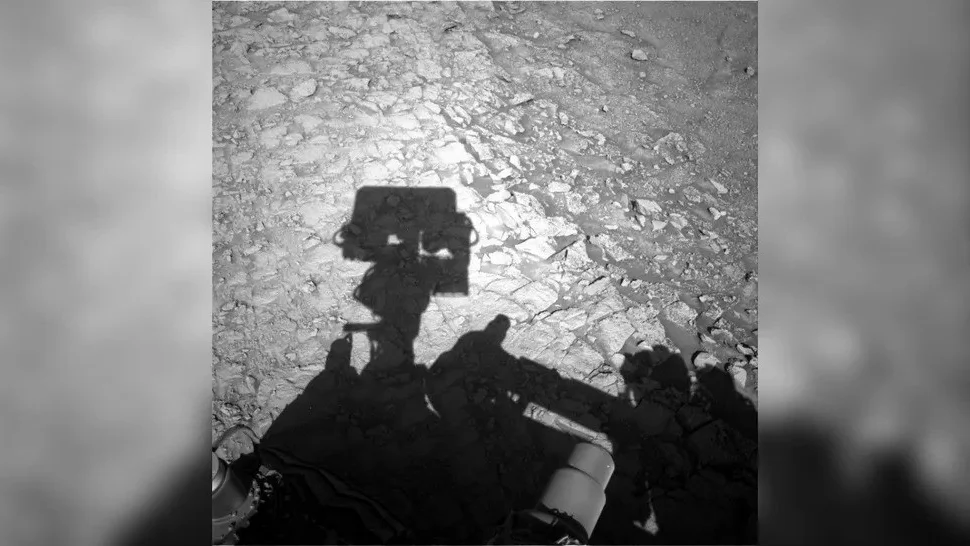
The Mystery of Mars: Giant 'Spider' Formations Discovered on the Red Planet
3 tháng trước
00Mars continues to surprise scientists and space enthusiasts alike with its bizarre and fascinating geological features. Among the most intriguing discoveries are the giant 'spider' formations, technically known as araneiform terrain, found near the Martian south pole. These dark, spindly patterns look remarkably like massive spiders crawling across the surface of the Red Planet, but their origin is far more scientific than biological. These formations are created by the sublimation of carbon dioxide ice. During the Martian spring, sunlight penetrates the translucent layer of CO2 ice that covers the poles, warming the dark soil beneath. This heat causes the ice at the base to turn directly into gas, which builds up pressure until it erupts through cracks in the ice. As the gas escapes, it carries dark dust from the surface, which falls back down in fan-like patterns, creating the 'spider' legs we see from orbit. This process is unique to Mars and provides valuable insights into the planet's climate and atmospheric cycles. NASA’s Mars Reconnaissance Orbiter has captured stunning high-resolution images of these features, allowing researchers to study their seasonal changes in detail. The 'spiders' can span hundreds of meters, and their presence indicates a dynamic and active environment on a planet often thought of as cold and dead. Understanding these formations helps scientists piece together the history of water and carbon dioxide on Mars, which is crucial for future human exploration. The mystery of the Martian spiders is a perfect example of how planetary science can reveal beauty in the most unexpected forms, turning a barren landscape into a place of wonder and discovery. As technology advances, we can expect even more incredible revelations from our neighboring planet.
#MarsExploration, #SpaceMystery, #NASA, #Astronomy, #RedPlanet, #MartianSpiders, #ScienceNews
0 comments
Ads
Related Posts
Ads