Ads
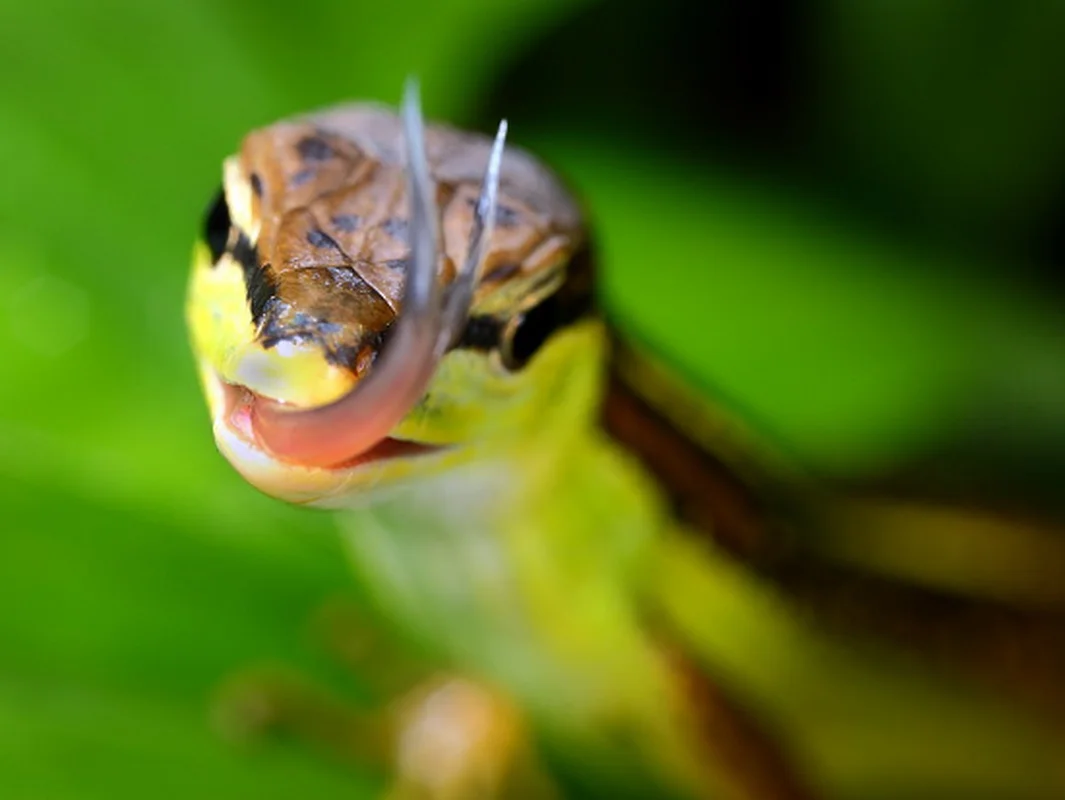
The Fascinating Six-Lined Grass Lizard: Discovering Vietnam’s Unique Four-Legged Snake
khoảng 2 tháng trước
00In the lush landscapes of Vietnam, there lives a creature so slender and fast that it is often mistaken for a snake. Known scientifically as *Takydromus sexlineatus*, and colloquially referred to as the 'liu điu' or the 'four-legged snake,' this reptile is a member of the Lacertidae family. Despite its nickname, it is a true lizard, characterized by its incredibly long tail, which can be three to six times the length of its body. This remarkable tail serves as a balance as the lizard darts through tall grass and low-lying vegetation. Found throughout Vietnam, from the northern mountains to the southern plains, the Six-lined Grass Lizard is an essential part of the local ecosystem.
One of the most striking features of the *Takydromus sexlineatus* is its coloration, which typically includes a cream or light brown back accented by dark brown stripes running along its sides. These lizards are diurnal, meaning they are most active during the day. They have a particular fondness for the early morning sun, which they use to regulate their body temperature before beginning their hunt for food. Their diet consists primarily of small insects such as ants, spiders, caterpillars, and butterflies. They are non-venomous and completely harmless to humans, preferring to hide in the undergrowth at the first sign of danger rather than confront a potential threat.
Interestingly, the Six-lined Grass Lizard possesses the ability to autotomize, or drop its tail, when caught by a predator. The detached tail continues to wiggle, distracting the attacker and allowing the lizard to make a quick escape. Over time, a new tail will grow back, though it may not be as long or as perfectly patterned as the original. In recent years, this species has gained popularity in the exotic pet trade due to its unique appearance and relatively easy care requirements. However, it is also listed in the World Red Book, highlighting the need for habitat conservation. Whether seen as a lucky charm in Vietnamese folklore or as a fascinating subject for reptile enthusiasts, the 'liu điu' remains one of the most intriguing small animals in the Southeast Asian wilderness.
#TakydromusSexlineatus, #GrassLizard, #VietnamWildlife, #ReptileConservation, #NaturePhotography, #ExoticPets
0 comments
Ads
Related Posts
Ads