Ads
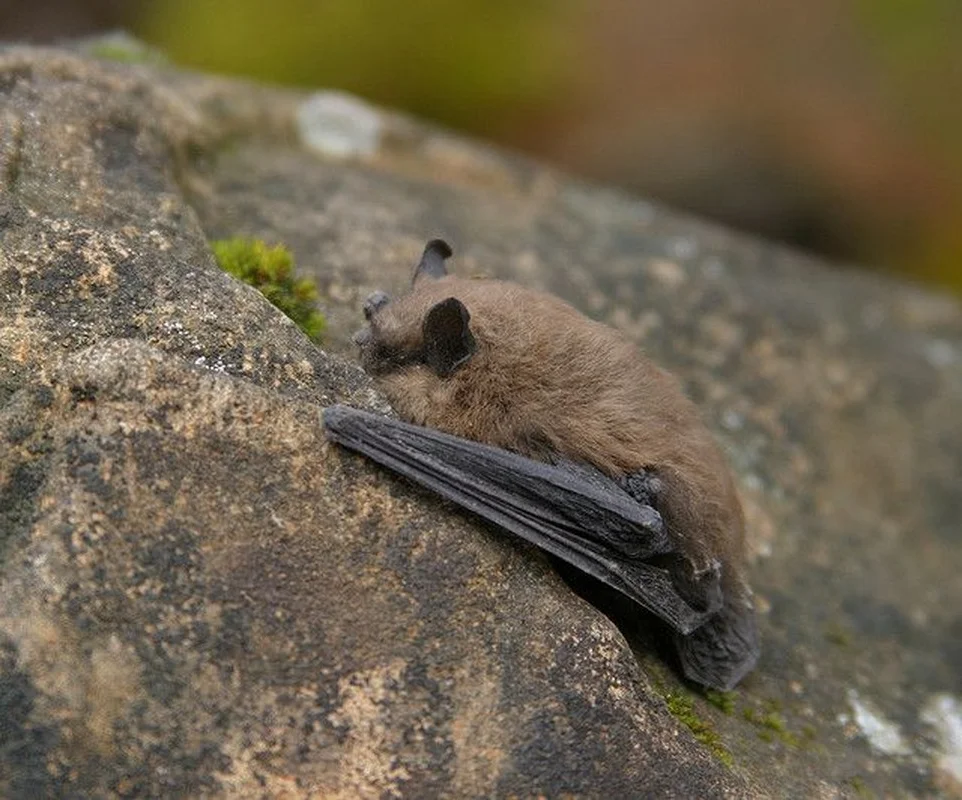
The Science of Survival: Exploring the Fascinating Phenomenon of Animal Hibernation
khoảng 2 tháng trước
00Nature has developed incredible mechanisms for survival, and perhaps none is more mysterious than hibernation. This deep dive explores how various animals, from bears to wood frogs, enter a state of suspended animation to survive harsh winter conditions. Hibernation is much more than just a long sleep; it is a complex biological process where the heart rate drops significantly, body temperature falls, and metabolism slows to a crawl. Scientists have long been fascinated by how these creatures can remain inactive for months without suffering muscle atrophy or organ damage. For example, some species of frogs can actually freeze solid, only to 'thaw out' and return to life in the spring. This gallery and article explain the differences between true hibernation, torpor, and estivation. Human researchers are even studying these phenomena to see if similar states could be induced in humans for long-distance space travel or medical emergencies. By understanding the triggers—such as decreasing daylight and food scarcity—we gain a deeper appreciation for the resilience of the natural world. Join us as we look at the species that have mastered the art of the 'big sleep' and the incredible biological feats they perform to see another sunrise.
#AnimalHibernation, #WildlifeScience, #NatureFacts, #WinterSurvival, #Biology, #Zoology
0 comments
Ads
Related Posts
Ads