Ads
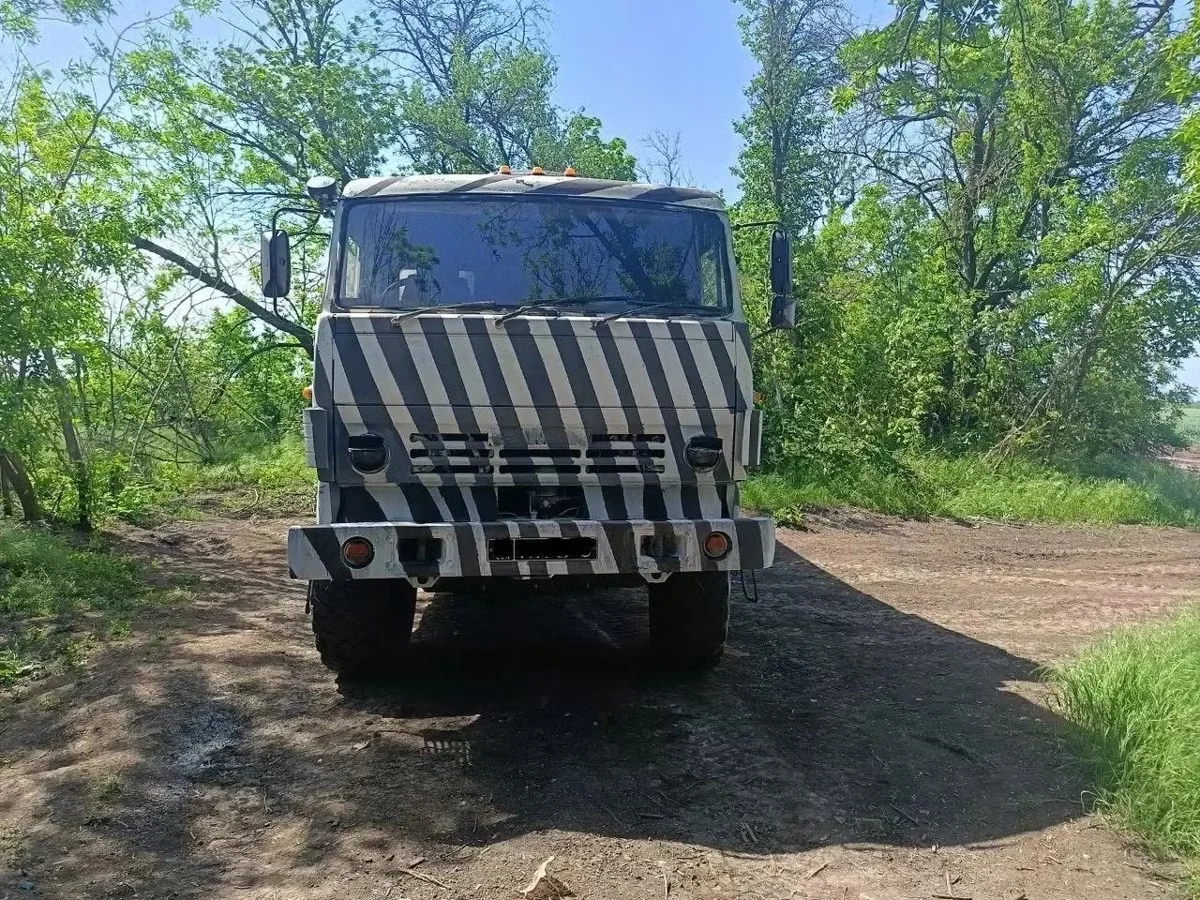
Innovative Camouflage Techniques: How Forces are Deceiving Modern UAVs
khoảng 2 tháng trước
00In the rapidly evolving landscape of modern warfare, the sky is no longer just a space for planes but a constant surveillance zone dominated by Unmanned Aerial Vehicles (UAVs). Recent reports and images have surfaced showing strange and highly creative camouflage methods being used to deceive Russian reconnaissance drones. These tactics go far beyond traditional green-and-brown netting. Soldiers and engineers are now using a mix of low-tech materials and high-tech decoys to create optical illusions that confuse the AI algorithms and human operators behind the UAV cameras. From painting 2D silhouettes of high-value targets on the ground to using heat-reflective blankets that mask the thermal signature of vehicles, the ingenuity on the battlefield is staggering. One of the most 'bizarre' methods involves using scrap materials to change the physical profile of tanks and artillery, making them look like civilian vehicles or piles of rubble from an aerial perspective. This psychological and technical warfare is crucial for survival in an era where 'if you can be seen, you can be hit.' The gallery showcases these unique camouflage patterns, some of which look like abstract art but serve a life-saving purpose. Experts note that as drone sensors become more advanced, the methods of deception must also adapt, leading to a constant cat-and-mouse game of visibility. This post explores the technical side of these 'strange' disguises and how they impact the effectiveness of drone-led strikes. It provides a fascinating look into the resourcefulness of ground troops when faced with 24/7 aerial surveillance. These images serve as a stark reminder of the changing face of conflict in the 21st century, where creativity is just as important as firepower.
#UAV, #MilitaryTech, #Camouflage, #DroneWarfare, #DefenseInnovation, #TacticalDeception
0 comments
Ads
Related Posts
Ads