Ads
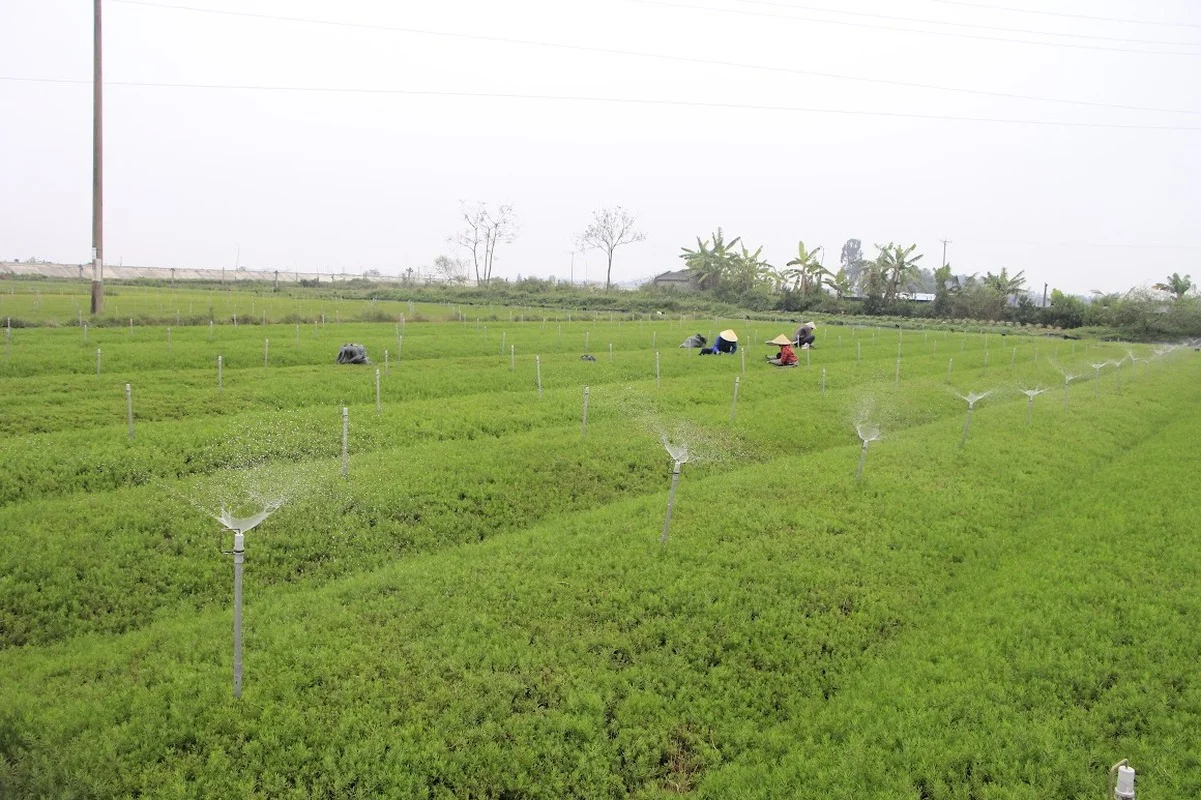
Surprising Wild Plants That Are Making Farmers Rich Today
khoảng 2 tháng trước
00In the world of agriculture, weeds and wild plants have traditionally been viewed as nuisances that ruin crops and require expensive eradication efforts. However, a surprising shift is occurring in modern farming. Savvy agricultural entrepreneurs are discovering that certain wild plants, once dismissed as useless weeds, hold incredible market value. By cultivating these resilient species, farmers are tapping into highly lucrative niche markets, proving that nature's overlooked treasures can indeed lead to substantial financial success.
One prime example is the humble dandelion. Once the bane of pristine suburban lawns, dandelions are now highly sought after by the health and wellness industry. Rich in vitamins, minerals, and antioxidants, dandelion greens are increasingly featured in gourmet salads, while the roots are harvested for herbal teas and medicinal supplements. Similarly, wild purslane, a hardy succulent that thrives in poor soil, has gained superfood status due to its exceptionally high concentration of omega-3 fatty acids. High-end restaurants and health-conscious consumers are willing to pay premium prices for these nutrient-dense wild greens.
Another highly profitable wild plant is stinging nettle. Despite its painful sting, nettle is prized for its culinary versatility, textile potential, and medicinal properties. When cooked, it loses its sting and tastes similar to spinach, making it a favorite among farm-to-table chefs. Cultivating these wild plants offers numerous ecological advantages as well; they require fewer chemical fertilizers, are highly resistant to pests, and conserve water far better than traditional commercial crops. This sustainable agricultural trend is rewriting the rules of farming, showing that the next big cash crop might already be growing wild in the fields.
#WildPlants, #ProfitableFarming, #OrganicAgriculture, #Superfoods, #SustainableFarming, #NicheCrops
0 comments
Ads
Related Posts
Ads