Ads
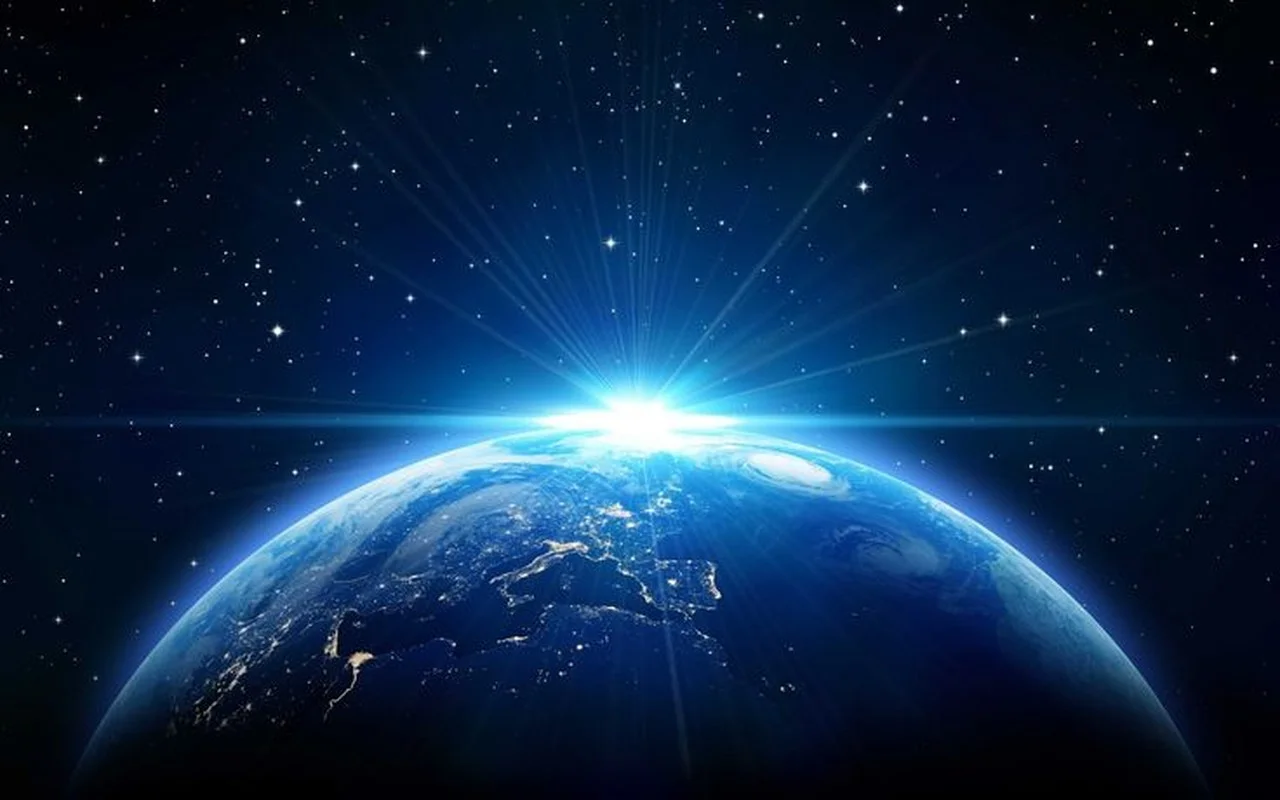
Mind-Blowing Historical Perspectives on the Nature of Space and the Universe
khoảng 2 tháng trước
00The concept of 'space' has not always been the vacuum filled with stars that we understand today. Throughout history, the greatest minds have grappled with the nature of the void, leading to some truly surprising and often strange theories. In ancient times, philosophers like Aristotle believed that 'nature abhors a vacuum,' suggesting that space was filled with an invisible substance called 'aether.' This idea persisted for centuries, influencing how early astronomers viewed the movement of celestial bodies. During the Renaissance, the shift from a geocentric to a heliocentric model by Copernicus and Galileo fundamentally changed our spatial orientation in the cosmos. However, it was Isaac Newton who revolutionized the field by defining space as an absolute, unchanging 'container' in which events occurred. This classical view remained the gold standard until Albert Einstein introduced his General Theory of Relativity in the early 20th century. Einstein proposed that space is not an empty stage but a flexible fabric—spacetime—that can be warped and curved by mass and energy. This gallery dives into these historical milestones, exploring how we moved from the 'crystalline spheres' of the Middle Ages to the mind-bending reality of black holes and quantum foam. We also examine the cultural impact of these views, as every change in our understanding of space redefined humanity's place in the universe. Today, as we discuss dark matter and the expansion of the universe, we stand on the shoulders of giants who dared to look at the sky and ask what lay in the gaps between the stars. Understanding these historical perspectives is crucial for anyone interested in physics, philosophy, or the future of space exploration. From the vacuum debates of the 17th century to the multi-dimensional theories of modern string theory, the evolution of 'space' is a journey through the limits of human imagination.
#SpaceHistory, #Cosmology, #Astronomy, #Physics, #Einstein, #Universe, #ScientificDiscovery
0 comments
Ads
Related Posts
Ads