Ads
The Science Behind Rare and Unusual Lobster Colors Explained
khoảng 2 tháng trước
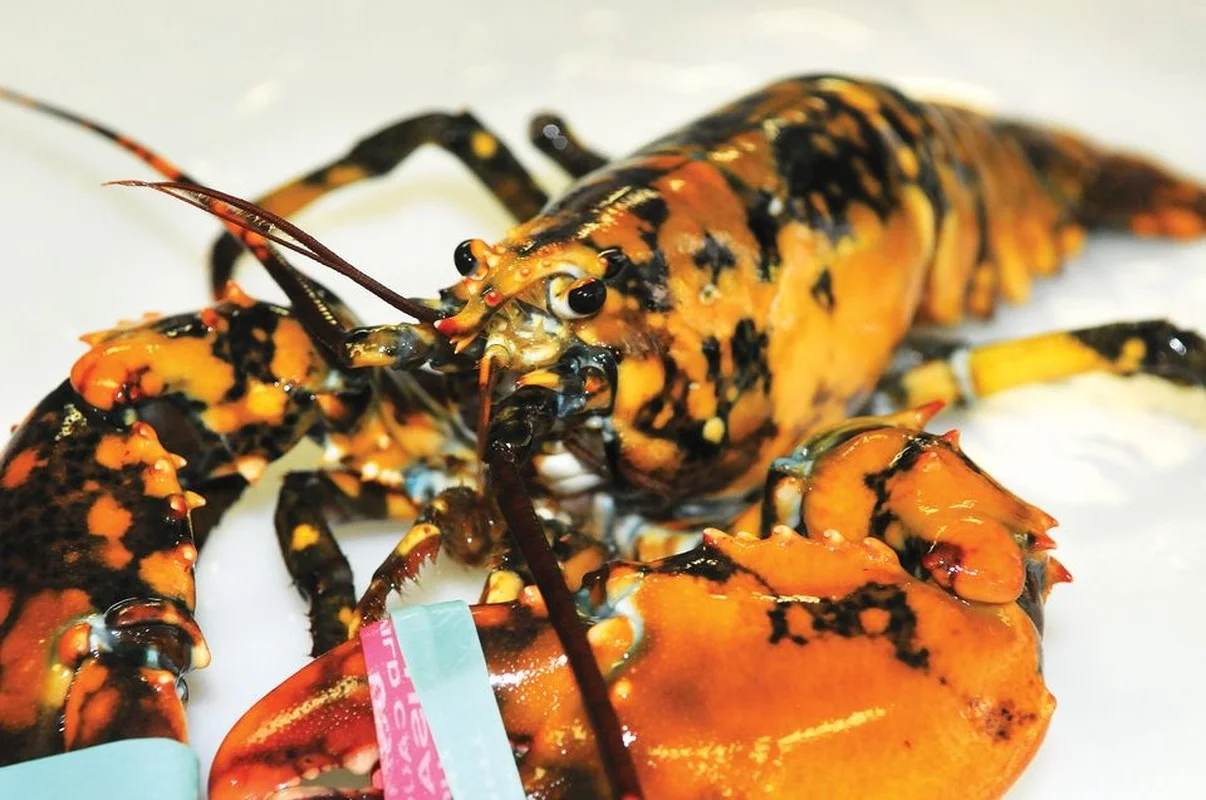
00While most people associate lobsters with a dark greenish-brown color that turns bright red when cooked, nature occasionally produces incredibly rare, vibrantly colored lobsters that baffle both fishermen and marine biologists. From brilliant blue and bright yellow to calico patterns and even 'half-and-half' split colors, these majestic sea creatures are a stunning testament to genetic diversity. This gallery explores some of the rarest lobster color variations ever found and explains the fascinating science behind them.
The secret behind these unusual colors lies in genetics and diet. Lobsters have a pigment in their shells called astaxanthin, which is naturally red. However, when this pigment binds with specific proteins in the lobster's shell, it twists to reflect different colors, usually resulting in the standard dark camouflage color. When a lobster has a rare genetic mutation, it may overproduce or underproduce certain proteins, causing the shell to appear in striking shades like neon blue (a 1-in-2-million occurrence) or bright orange and yellow (a 1-in-30-million rarity).
Perhaps the rarest of all is the albino or 'crystal' lobster, which lacks any pigment whatsoever, appearing completely white. The odds of finding one are estimated at a staggering 1 in 100 million. Another mind-boggling phenomenon is the split-colored lobster, where the creature is perfectly divided down the middle into two different colors, such as half brown and half orange. This occurs due to a rare cellular division anomaly during the embryonic stage of development.
Because these bright colors make the lobsters highly visible to predators in the wild, surviving to adulthood is a monumental achievement. Consequently, when these rare specimens are caught, they are almost always donated to aquariums or research centers rather than ending up on a dinner plate. Dive into this gallery to marvel at these beautiful wonders of the ocean and learn more about the incredible genetic mutations that create them.
#RareLobster, #MarineBiology, #GeneticMutation, #OceanWonders, #NatureIsAmazing, #BlueLobster
0 comments
Ads
Related Posts
Ads