Ads
Uncovering the Truth Behind the Greatest Medieval Journeys and Explorations
khoảng 2 tháng trước
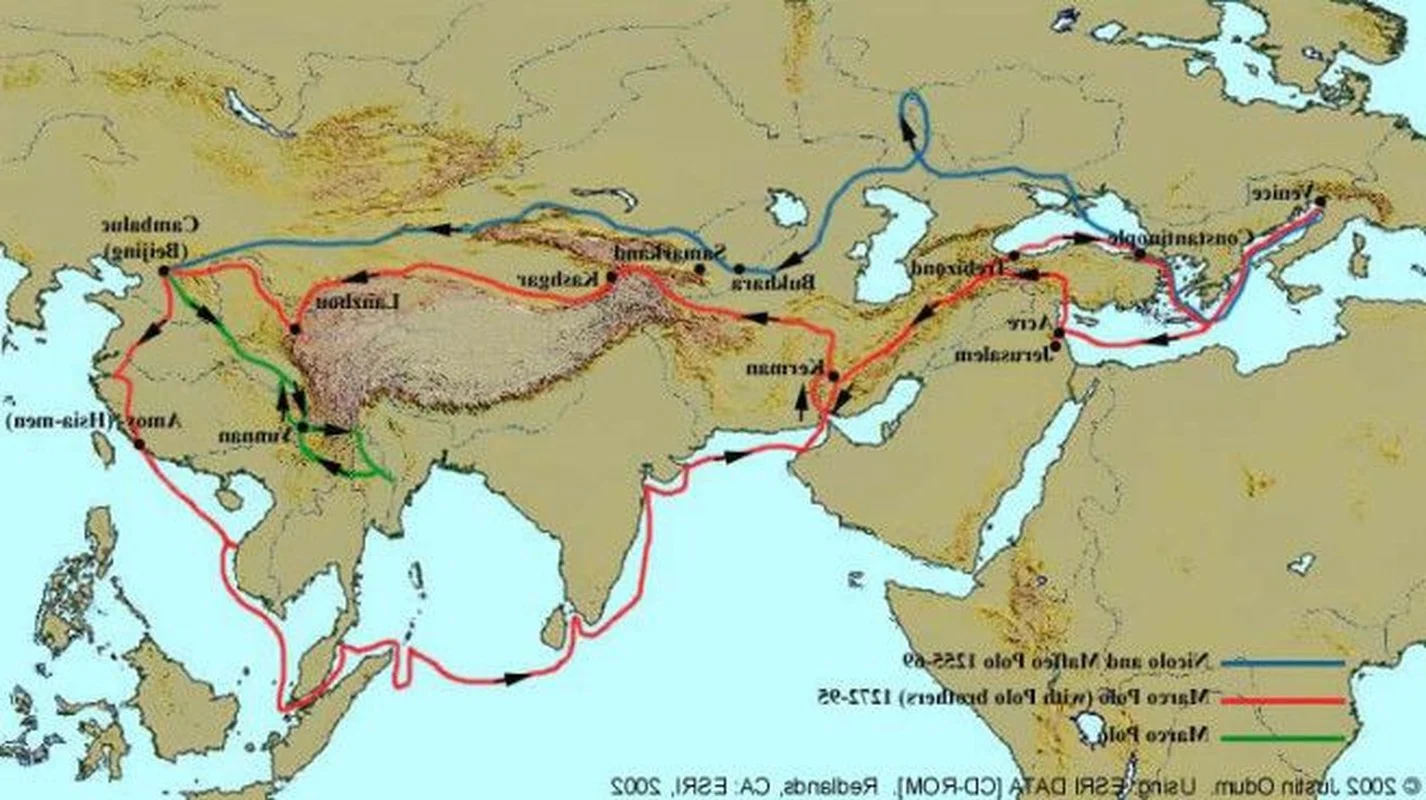
00The Middle Ages are often wrongly characterized as a period of isolation and stagnation. However, historical records reveal a different story—one of epic journeys that spanned continents and connected diverse cultures. From the legendary travels of Marco Polo to the staggering 75,000-mile odyssey of Ibn Battuta, the medieval era was a golden age of exploration. These travelers faced unimaginable hardships, from treacherous terrains and pirate-infested waters to the constant threat of unknown diseases, all in the pursuit of trade, religion, and knowledge.
Ibn Battuta’s journey, in particular, remains one of the most incredible feats in human history. Starting from Morocco, he traveled across Africa, the Middle East, India, and Southeast Asia, reaching as far as China. His narratives provide an invaluable window into the socio-political landscape of the 14th century. Similarly, Marco Polo’s accounts of the Silk Road and the court of Kublai Khan introduced Europe to the wonders of the East, sparking a curiosity that would eventually lead to the Age of Discovery. These were not just physical trips but intellectual bridges that allowed for the exchange of technology, spices, and philosophies.
Modern historians are now re-evaluating these journeys using advanced geographical mapping and archaeological evidence. We are discovering that the 'truth' of these travels is even more complex than the legends suggest. The logistics of moving large caravans across the Sahara or navigating the Indian Ocean with medieval technology demonstrate a high level of sophistication. These explorers were the first global citizens, proving that the human spirit has always been driven to look over the horizon. Understanding these medieval expeditions helps us appreciate the interconnected world we live in today and the long history of cross-cultural communication.
#MedievalHistory, #IbnBattuta, #MarcoPolo, #Exploration, #HistoryFacts, #SilkRoad
0 comments
Ads
Related Posts
Ads