Ads
Why Tokyo is Not the Official Capital of Japan: The Surprising Historical Truth
khoảng 2 tháng trước
00For decades, travelers and geography enthusiasts worldwide have recognized Tokyo as the bustling, neon-lit capital of Japan. However, from a strict legal and historical perspective, the question of whether Tokyo is the official capital of Japan is surprisingly complex. Unlike many countries that have a clear, constitutionally designated capital city, Japan lacks a singular, modern law that explicitly declares Tokyo as its capital. This historical curiosity stems from centuries of imperial tradition, political shifts, and the unique status of the Japanese imperial throne.
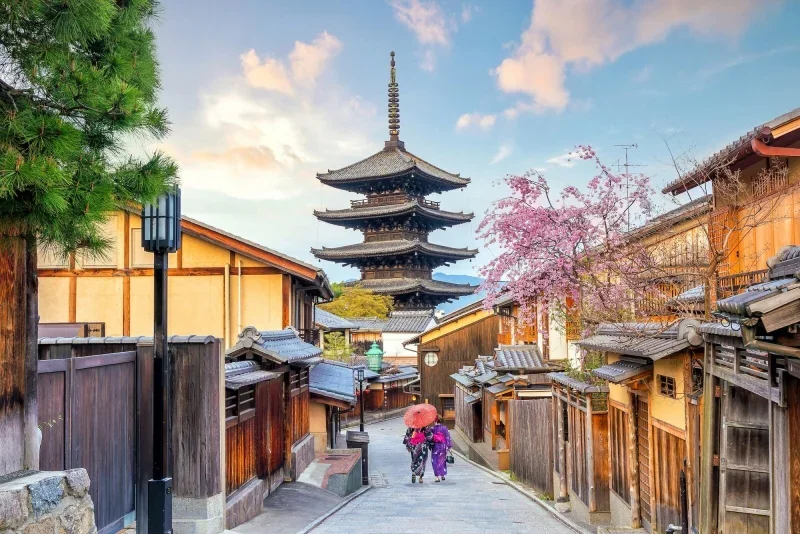
To understand this debate, one must look back to the historical significance of Kyoto. For over a millennium, Kyoto served as the official residence of the Emperor of Japan and was universally regarded as the nation's capital. In 1868, during the Meiji Restoration, the Emperor moved his residence from Kyoto to Edo, which was subsequently renamed Tokyo, meaning 'Eastern Capital'. While the administrative functions of the government and the imperial palace transitioned to Tokyo, no official imperial decree or legislative act was ever passed to formally strip Kyoto of its capital status. Consequently, some traditionalists and legal scholars argue that Kyoto technically retains its historical claim to the title.
In modern times, Tokyo functions as the de facto capital of Japan, housing the National Diet, the Supreme Court, the Prime Minister's official residence, and the Imperial Palace. While various administrative laws refer to the 'capital region' surrounding Tokyo, the absence of a direct constitutional declaration keeps this fascinating historical debate alive. For tourists and cultural explorers, this distinction adds a layer of mystery to Japan's rich heritage, highlighting the deep-rooted respect for tradition that coexists alongside Tokyo's futuristic urban landscape.
#JapanCapital, #TokyoVsKyoto, #JapaneseHistory, #TravelJapan, #ImperialJapan, #CulturalHeritage
0 comments
Ads
Related Posts
Ads