Ads
Rare Gray Whale Spotted Near Massachusetts After 200 Years of Regional Extinction
khoảng 2 tháng trước
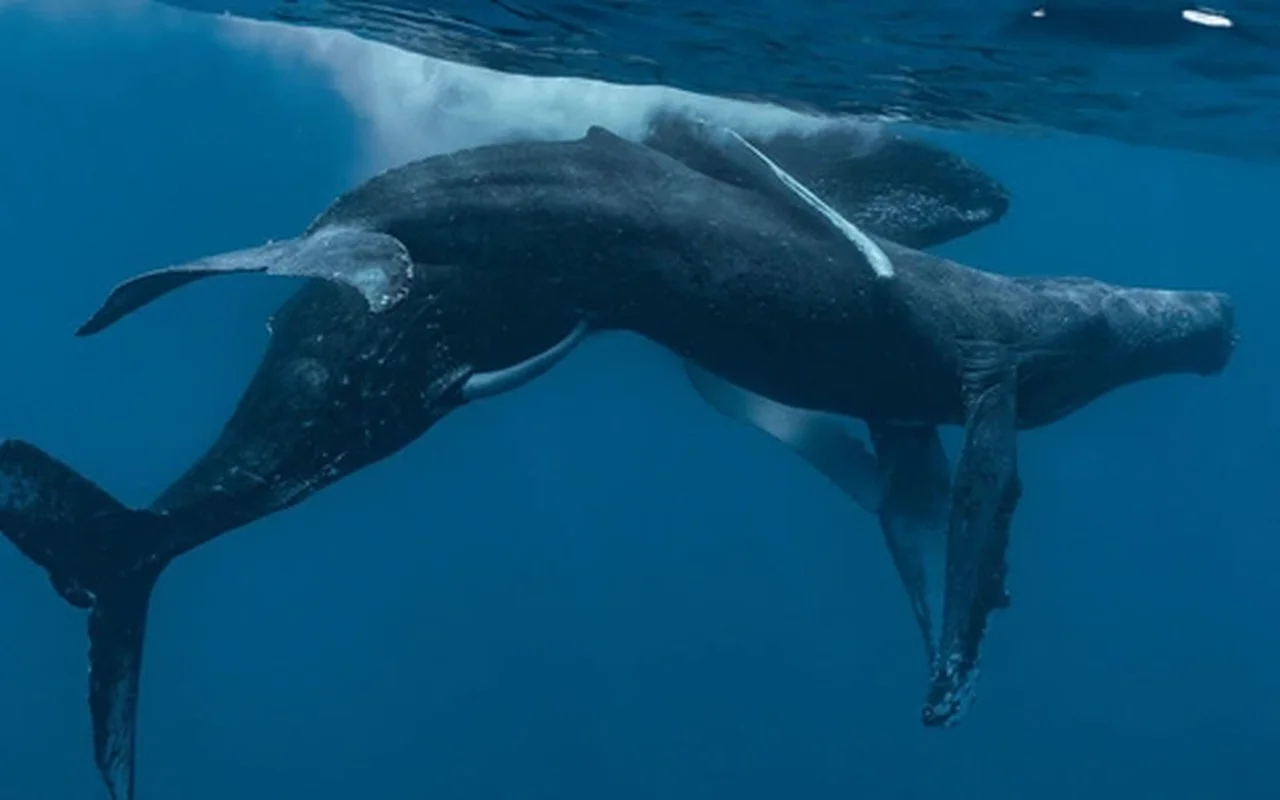
00Marine biologists and nature enthusiasts are reeling after a historic discovery off the coast of Nantucket, Massachusetts. Researchers from the New England Aquarium’s aerial survey team recently spotted a massive gray whale, estimated to weigh a staggering 27,200 kg (about 60,000 pounds). This sighting is nothing short of miraculous, as gray whales have been considered extinct in the Atlantic Ocean since the 18th century. For over 200 years, these majestic creatures were believed to only inhabit the northern Pacific Ocean, making this appearance a significant event for global marine science.
The whale was observed repeatedly diving and surfacing, likely foraging for food in the nutrient-rich Atlantic waters. While scientists were initially skeptical, the distinct lack of a dorsal fin and the presence of characteristic 'knuckles' or bumps along its back confirmed its identity as a gray whale. Experts suggest that the whale’s presence in the Atlantic may be a direct consequence of climate change. As the Northwest Passage—the sea route connecting the Atlantic and Pacific through the Arctic—experiences less ice during the summer months, it has created a temporary gateway for species to migrate between oceans that were previously blocked by ice.
Historically, gray whales were nicknamed 'Devil Fish' by whalers because of their aggressive behavior when hunted. They were driven to the brink of extinction during the height of the whaling industry. While they are currently listed as a species of 'Least Concern' by the International Union for Conservation of Nature (IUCN) globally, certain populations in Asia remain critically endangered. This sighting serves as a stark reminder of the ocean's changing landscape and the resilience of marine life. It also emphasizes the importance of continued aerial surveys and conservation efforts to monitor how shifting climates are altering the natural habitats of our planet's largest mammals.
#GrayWhale, #MarineBiology, #NewEnglandAquarium, #ClimateChange, #OceanDiscovery, #WildlifeNews
0 comments
Ads
Related Posts
Ads