Ads
Inside the Führerbunker: The Truth Behind Adolf Hitler’s Final Orders
3 ngày trước
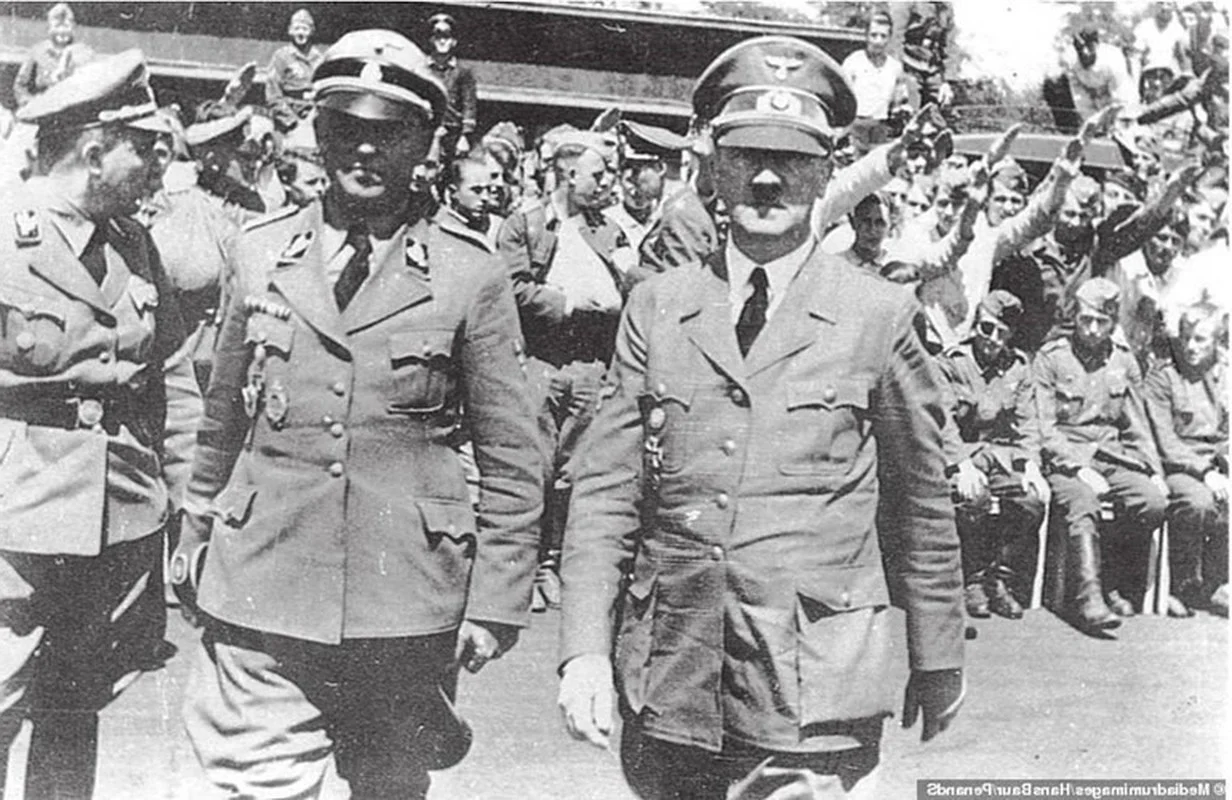
00As the Red Army closed its grip on the ruined streets of Berlin in late April 1945, the Nazi regime crumbled into history. Inside the claustrophobic depths of the Führerbunker, a desperate and physically deteriorated Adolf Hitler spent his final days issuing a series of chaotic and destructive commands. Newly analyzed historical documents, diaries, and eyewitness testimonies from those final hours shed a chilling light on the dictator's final orders and his dark vision for the end of Germany.
One of the most infamous directives from this period was the scorched-earth policy known as the 'Nero Decree' (Demolitions on Reich Territory Decree). Hitler ordered the systematic destruction of all German infrastructure, including transport networks, communication systems, industrial plants, and utility facilities. He believed that if Germany lost the war, its people did not deserve to survive, stating that the nation had proven itself weak. Fortunately, Albert Speer, the Minister of Armaments, quietly disobeyed this catastrophic command, saving millions of German civilians from post-war starvation and ruin.
In his final political testament, written just hours before his suicide on April 30, 1945, Hitler remained unrepentant, blaming international forces for the war and urging his remaining followers to continue the struggle. These final documents reveal a mind completely detached from reality, demanding impossible military maneuvers from non-existent armies. Understanding these final orders provides historians with crucial insights into the absolute fanaticism of the Nazi leadership and the dramatic, chaotic end of World War II in Europe.
#WorldWarII, #AdolfHitler, #HistorySecrets, #Fuhrerbunker, #MilitaryHistory, #NeroDecree
0 comments
Ads
Related Posts
Ads