Ads
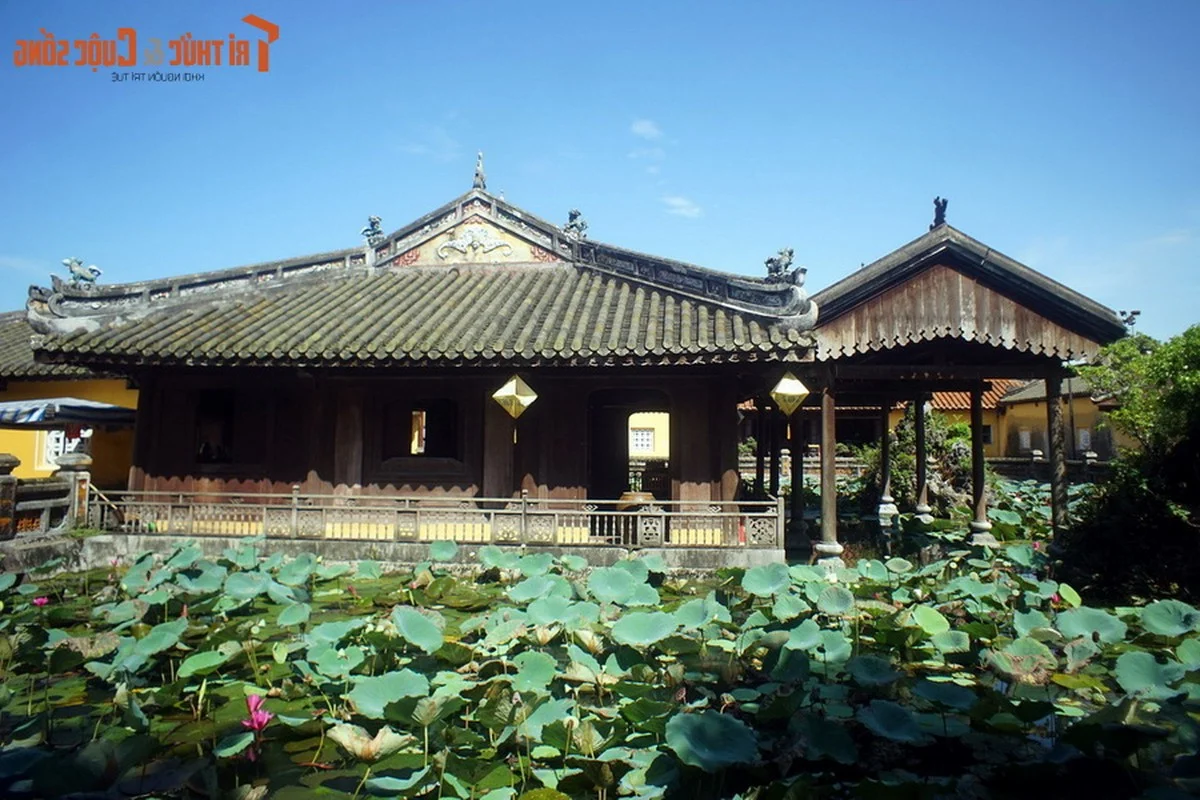
Discover the Ancient Natural Cooling System of Hue Imperial City: Vietnam's Architectural Masterpiece
3 tháng trước
00The Hue Imperial City, a UNESCO World Heritage site in Central Vietnam, is not only famous for its majestic palaces and rich history but also for its brilliant ancient engineering. Often referred to by locals and historians as a 'giant natural air conditioner,' the Citadel was designed with a sophisticated understanding of thermodynamics and urban planning that keeps the entire complex remarkably cool even during the sweltering tropical summers. This cooling effect is the result of a harmonious blend of water bodies, lush greenery, and strategic architectural layouts developed during the Nguyen Dynasty.
At the heart of this ancient cooling system is the intricate network of water. The Perfume River (Song Huong) serves as the primary source, but it is the man-made moats and lakes within the Citadel that do the heavy lifting. The 'Ho Thanh Ha' or the outer moat system, along with interior lakes like Tinh Tam and Thai Dich, act as massive heat sinks. Through the process of evaporative cooling, the breeze passing over these water surfaces drops in temperature before circulating through the royal residences. This creates a microclimate that is significantly milder than the surrounding urban areas of modern-day Hue.
In addition to the water features, the Nguyen Dynasty emperors prioritized the planting of thousands of trees. These aren't just for aesthetics; the dense canopy provides essential shade, reducing the amount of direct solar radiation hitting the stone and brick structures. The combination of water and gardens creates a 'lung' for the city, filtering the air and maintaining a steady flow of oxygen and moisture. When you walk through the Ngọ Môn Gate or explore the Forbidden Purple City, you can feel a distinct freshness that seems almost impossible given the external heat.
The architecture itself plays a crucial role in this sustainable design. Traditional Vietnamese 'Ruong' houses and imperial palaces were built with high ceilings, wide corridors, and large wooden pillars. The use of natural materials like wood and specialized bricks allows the buildings to 'breathe.' Unlike modern concrete that traps heat, these materials dissipate it. Furthermore, the orientation of the buildings was meticulously planned according to Feng Shui principles, ensuring that the prevailing winds could flow freely through the gates and hallways, providing constant cross-ventilation.
Today, as the world looks for sustainable and eco-friendly cooling solutions, the Hue Imperial City stands as a testament to the wisdom of the past. It is a masterclass in how humans can live in harmony with nature without relying on modern electricity. For travelers visiting Vietnam, exploring this 'giant air conditioner' offers a unique perspective on historical innovation. Whether you are an architecture enthusiast or a history buff, the cooling breezes of the Hue Citadel provide a refreshing escape while you immerse yourself in the stories of Vietnam's last royal dynasty.
#HueImperialCity, #VietnamTravel, #AncientArchitecture, #SustainableDesign, #TravelVietnam, #UNESCOWorldHeritage, #NaturalCooling, #VietnameseHistory
0 comments
Ads
Related Posts
Ads