Ads
Unveiling the Secrets of the World's Oldest Desert
khoảng 2 tháng trước
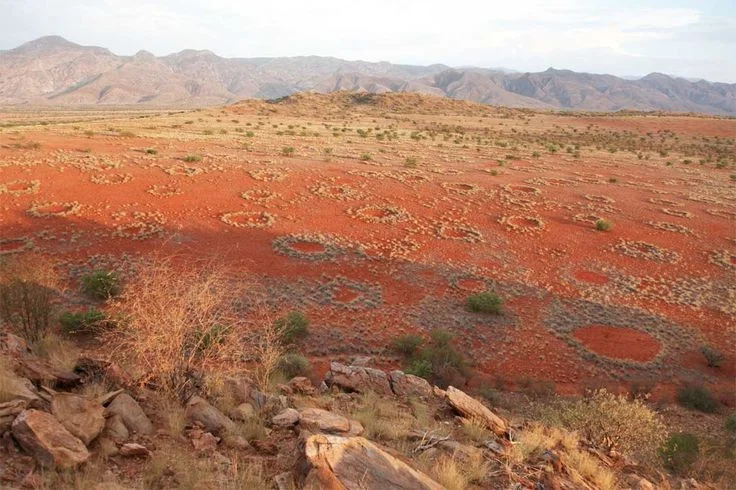
00The Namib Desert, a vast expanse of shifting sands and dramatic rock formations in southern Africa, holds the prestigious title of the world's oldest desert. Dating back tens of millions of years, this ancient wilderness has remained relatively unchanged, preserving secrets of Earth's geological past. Unlike younger deserts, the Namib has developed a remarkably complex and stable ecosystem where life has had millions of years to adapt to extreme aridity. From its massive, wind-sculpted dunes to its mysterious coastal shipwrecks, the Namib is a place of endless wonder and scientific discovery.
The desert's striking red color is a result of iron oxidation over millions of years, indicating the immense age of the sand. These dunes, some of which are among the tallest in the world, create a dynamic and constantly changing landscape. Scientists study the Namib to understand how ecosystems might behave on other planets, as the extreme conditions here closely mimic those found in Martian environments. The unique weather patterns, driven by the cold Benguela Current colliding with hot desert air, create a regular morning fog that acts as a vital life-line for the desert's specialized flora and fauna.
Visiting the Namib Desert is like stepping onto another planet. The silence is profound, broken only by the whispering wind shifting the sands. It is a destination that challenges our perception of time and space, offering a rare opportunity to connect with primeval nature. Whether you are climbing the famous Dune 45 or gazing at the skeletal trees of Deadvlei, the Namib Desert leaves an indelible mark on your soul, standing as a timeless monument to the beauty and endurance of our planet.
#AncientDeserts, #NamibianWonders, #ExtremeEnvironments, #GeologyFacts, #TravelInspiration, #DesertEcosystem
0 comments
Ads
Related Posts
Ads