Ads
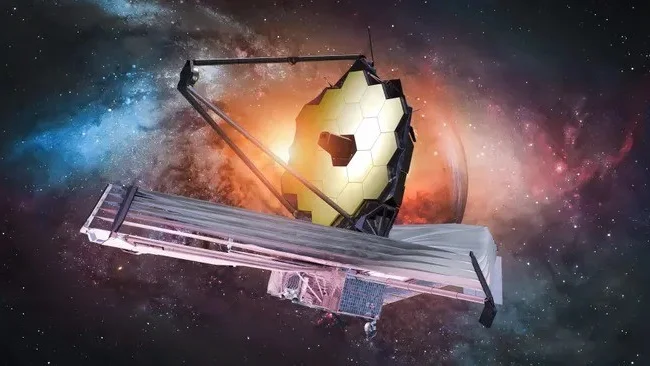
Astronomers Capture First Direct Image of the Universe’s Lightest Exoplanet
khoảng 2 tháng trước
00In a historic milestone for astronomy and space exploration, scientists have successfully captured the first direct image of what is believed to be the lightest exoplanet ever photographed. Direct imaging of exoplanets is an incredibly difficult task, as the light from the host star typically drowns out the faint glow of the orbiting planet. However, using advanced technology and the world's most powerful telescopes, such as the Very Large Telescope (VLT) in Chile, astronomers have managed to isolate the signal of this tiny world, providing a rare glimpse into a distant solar system.
This exoplanet, which is significantly smaller and lighter than the gas giants usually found through direct imaging, represents a breakthrough in our ability to detect Earth-like or low-mass planets. Most exoplanets are discovered using indirect methods like the transit method or radial velocity, which tell us about the planet's size and mass but don't show us what it actually looks like. By directly imaging this lightweight planet, scientists can begin to analyze the light spectrum coming from its atmosphere, searching for clues about its composition, temperature, and potential habitability.
The discovery is not just a technical achievement; it is a fundamental shift in our understanding of planetary formation. Finding such a light planet so far from its star challenges current models and suggests that the universe is even more diverse than we previously imagined. This image serves as a proof of concept for future missions, including the James Webb Space Telescope and the upcoming Extremely Large Telescope (ELT), which will aim to image even smaller, rockier planets in the 'Goldilocks zone.' As we continue to refine our techniques, each new image brings us one step closer to answering the ultimate question: are we alone in the universe? This 'lightest' planet is a heavy hitter in the world of science, opening new doors for the next generation of explorers.
#Exoplanet, #Astronomy, #SpaceDiscovery, #VLT, #NASA, #Astrophysics, #SpaceNews
0 comments
Ads
Related Posts
Ads