Ads
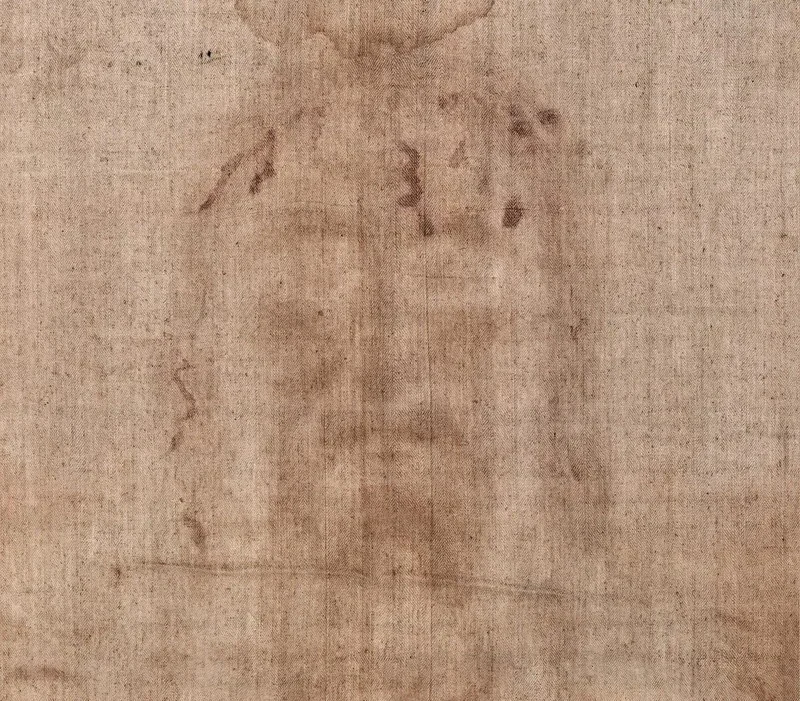
The Shroud of Turin: Science, Faith, and the Enduring Mystery of the World’s Most Studied Relic
3 tháng trước
00The Shroud of Turin remains one of the most enigmatic and debated artifacts in human history. For centuries, this ancient linen cloth, which bears the faint image of a man who appears to have suffered physical trauma consistent with crucifixion, has been venerated by millions as the burial cloth of Jesus Christ. However, the shroud is not just a religious relic; it is a focal point of intense scientific scrutiny, where faith and empirical evidence frequently collide, creating a mystery that continues to captivate the world.
The controversy surrounding the shroud's authenticity reached a fever pitch in 1988, when carbon-14 dating was performed by three independent laboratories. The results suggested that the cloth originated between 1260 and 1390 AD, leading many to conclude it was a medieval forgery. Yet, the debate did not end there. Proponents of the shroud's authenticity have raised numerous questions about the testing process, suggesting that the samples taken might have been from a later repair or contaminated by centuries of handling and environmental exposure. Furthermore, the image itself defies easy explanation. It is a 'negative' image that contains three-dimensional information, a feat that would have been incredibly difficult, if not impossible, for a medieval artist to achieve.
Beyond the carbon dating, researchers have employed a wide range of scientific disciplines to study the shroud, from palynology (the study of pollen) to forensic pathology. Some studies have identified pollen grains from plants native only to the region around Jerusalem, while others point to the unique bloodstains that show no signs of smearing, suggesting the body was not manually removed from the cloth. These findings provide a counter-narrative to the medieval forgery theory, keeping the 'true-or-false' debate alive. The Shroud of Turin has become a symbol of the tension between what we can prove through science and what we choose to believe through faith.
Today, the shroud is kept in the Royal Chapel of the Cathedral of Saint John the Baptist in Turin, Italy, where it is only occasionally put on public display. Each 'exposition' draws millions of pilgrims and curious onlookers, all seeking a connection to a pivotal moment in history. Whether the Shroud of Turin is a miraculous image or a masterful work of art, its impact on culture and theology is undeniable. It remains a powerful testament to the human desire to touch the divine and the persistent quest for truth in an age of uncertainty. As technology advances, the shroud will undoubtedly face new tests, but its status as the world's greatest mystery seems secure.
#ShroudOfTurin, #HistoryMystery, #ScienceAndFaith, #ReligiousRelics, #Archaeology, #TurinCathedral
0 comments
Ads
Related Posts
Ads