Ads
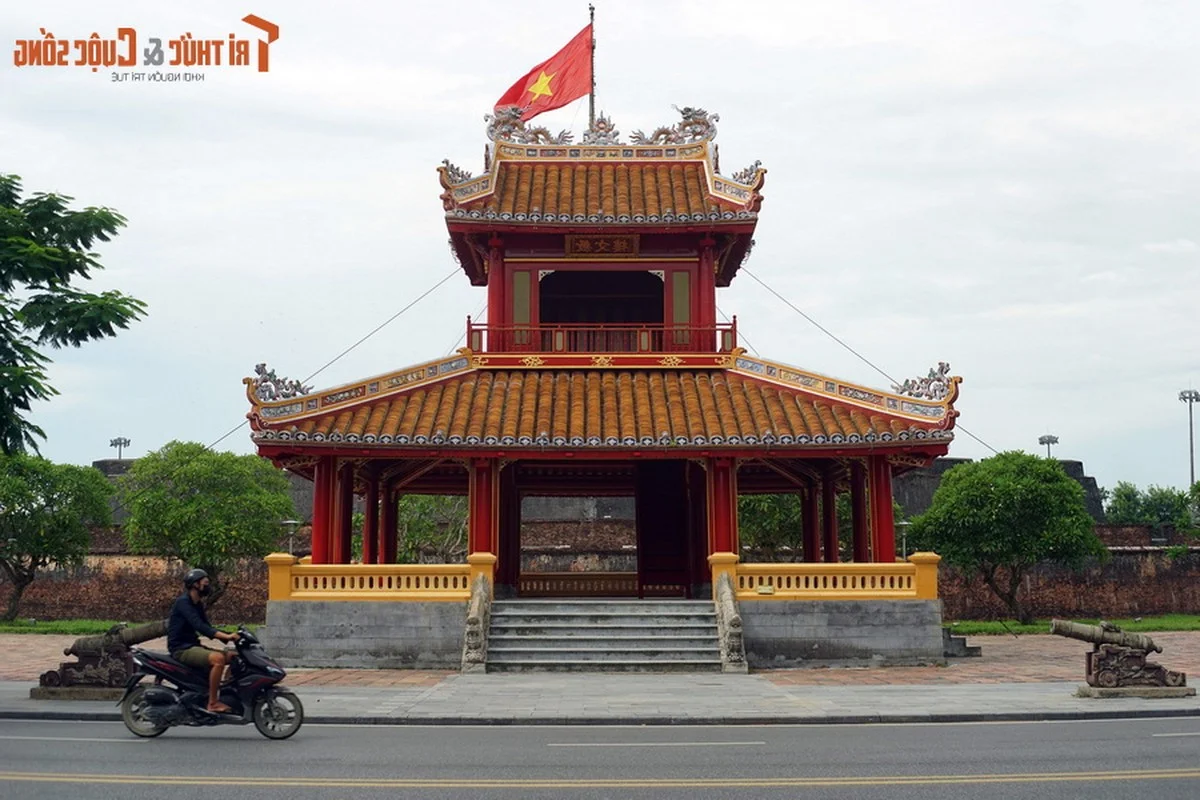
Historical Relics of King Bao Dai’s Abdication in Hue: The End of Vietnam's Last Monarchy
3 tháng trước
00The city of Hue stands as a living museum of Vietnam's imperial past, but among its many monuments, a specific set of relics holds profound significance regarding the transition from monarchy to a modern republic. This gallery explores the sites associated with the momentous event where King Bao Dai, the final emperor of the Nguyen Dynasty, read the Abdication Proclamation. This act effectively ended thousands of years of feudal rule in Vietnam, ushering in a new era of independence and sovereignty. The central focus of these historical landmarks is the Ngo Mon Gate (The Noon Gate), the main entrance to the Imperial City. It was here, on August 30, 1945, that the ceremony took place in front of thousands of citizens. Visitors today can stand on the very ground where King Bao Dai handed over the golden seal and the sword—symbols of royal authority—to the delegation of the Provisional Revolutionary Government.
Beyond the Ngo Mon Gate, the gallery highlights several other structures within the Hue Citadel and the surrounding areas that played a role in the King's final days as a monarch. These sites offer a glimpse into the architectural grandeur of the Nguyen Dynasty, featuring intricate carvings, majestic courtyards, and the unique blend of traditional Vietnamese aesthetics with French colonial influences that characterized the era. The abdication was not just a political shift but a cultural turning point, and these relics serve as silent witnesses to the King's famous words: 'I would rather be a citizen of a free country than a king of an enslaved one.' For history enthusiasts and travelers visiting Central Vietnam, understanding these specific locations adds deep layers of meaning to the scenic beauty of Hue. Each stone and courtyard tells a story of power, transition, and the birth of a modern nation. Exploring these relics provides a comprehensive look at the legacy of the Nguyen Dynasty and the complex figure of King Bao Dai, whose life spanned the most turbulent years of 20th-century Vietnamese history. Whether you are interested in royal architecture or the political evolution of Southeast Asia, these landmarks in Hue are essential stops on any cultural itinerary.
#HueImperialCity, #KingBaoDai, #VietnameseHistory, #NguyenDynasty, #TravelVietnam, #HistoricalRelics, #HueCitadel
0 comments
Ads
Related Posts
Ads