Ads
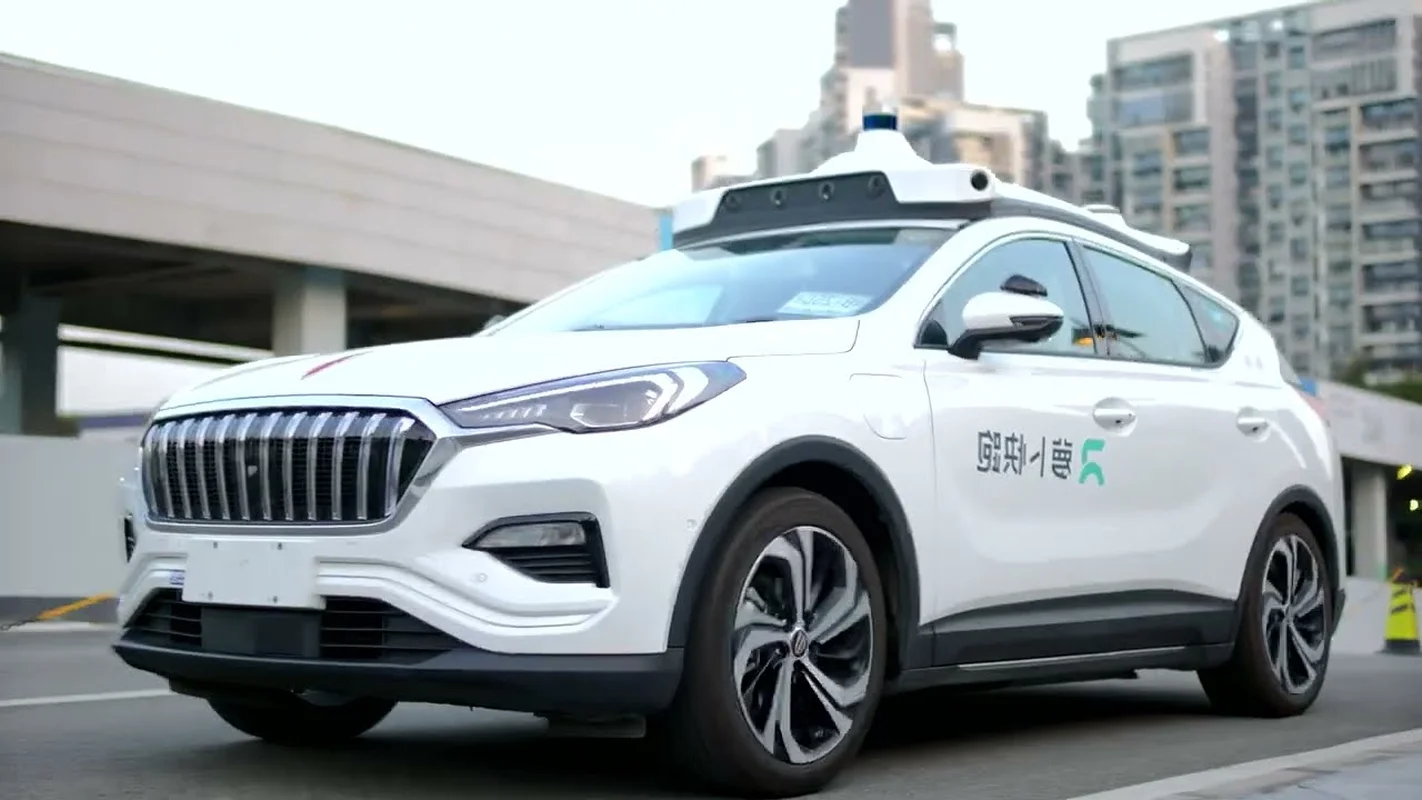
Why Tourists Are Shocked by China's Robot Taxi Experience
khoảng 2 tháng trước
00The rapid advancement of autonomous driving technology in China has turned what once seemed like science fiction into a daily reality. Across major cities like Wuhan, Beijing, and Shenzhen, driverless robot taxis are now a common sight on busy streets. However, for international tourists experiencing this technology for the first time, the ride is often a thrilling mix of futuristic awe and absolute terror. Stepping into a vehicle with no human driver behind the wheel, watching the steering wheel spin automatically to navigate complex traffic, is an experience that leaves many visitors completely shocked.
While the initial reaction of many passengers is fear, the technology behind these robot taxis is incredibly sophisticated. Equipped with advanced LiDAR sensors, high-definition cameras, and powerful AI processing units, these vehicles can detect obstacles, pedestrians, and traffic signals from hundreds of meters away. They navigate chaotic urban environments, sudden lane changes, and unexpected weather conditions with remarkable precision. In fact, many users report that after the initial panic wears off, they feel safer in an AI-controlled taxi than with some human drivers, due to the vehicle's strict adherence to speed limits and traffic laws.
Despite the safety statistics, the psychological barrier of trusting a machine with your life is a major hurdle. Tourists often capture their experiences on camera, showing wide-eyed reactions as the car smoothly avoids jaywalkers or merges onto busy highways. This blend of fear and fascination highlights the cultural shock of entering a highly automated society. As China continues to expand its driverless transport network, the robot taxi experience remains one of the most exciting, futuristic, and nerve-wracking attractions for global travelers.
#RobotTaxi, #AutonomousVehicles, #ChinaTech, #SelfDrivingCars, #FutureOfTransport, #AITechnology
0 comments
Ads
Related Posts
Ads