Ads
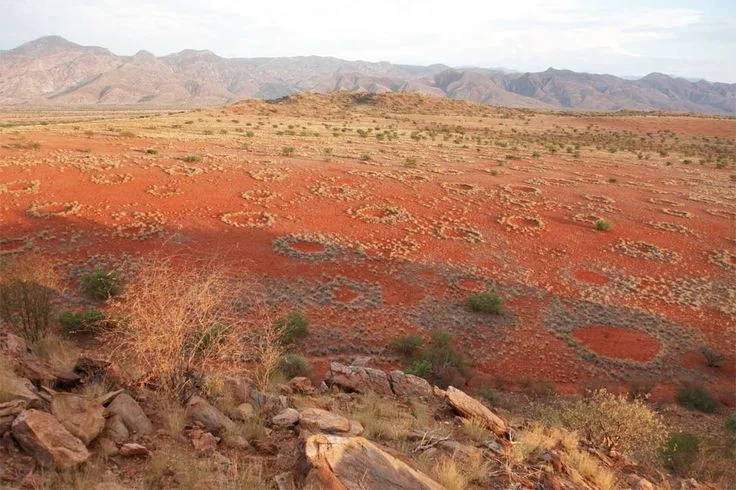
Mind-Blowing Facts About the Namib Desert, Earth's Oldest Desert
khoảng 2 giờ trước
00Stretching along the dramatic Atlantic coast of southern Africa, the Namib Desert is widely recognized as the oldest desert on Earth, with a geological history spanning at least 55 to 80 million years. This ancient landscape is home to some of the most surreal and breathtaking natural wonders on the planet, including the towering, rust-red sand dunes of Sossusvlei and the hauntingly beautiful clay pan of Deadvlei. The desert's unique age and hyper-arid climate have allowed a highly specialized ecosystem to evolve, featuring plants and animals found nowhere else on Earth.
One of the most fascinating aspects of the Namib Desert is how life adapts to survive in such an extreme environment. With virtually no rainfall, many species rely entirely on the dense ocean fog that rolls in from the Atlantic coast during the early morning hours. The famous darkling beetle, for example, has developed a unique method of harvesting water by tilting its body to let fog condense on its back and drip directly into its mouth. Similarly, the ancient Welwitschia mirabilis plant, which can live for over a thousand years, survives by absorbing moisture directly from the humid air through its long, strap-like leaves.
For travelers, photographers, and geologists, the Namib Desert offers an unparalleled journey into a prehistoric world. The contrast between the deep orange dunes, the stark white clay pans, and the brilliant blue sky creates a visual masterpiece that shifts with the moving sun. Exploring this ancient desert is a humbling experience, reminding us of the incredible resilience of nature and the deep, silent history written into the sands of our planet.
#NamibDesert, #OldestDesert, #TravelAfrica, #GeologicalWonders, #NaturePhotography, #DesertSurvival
Ads
0 comments
Related Posts
Ads