Ads
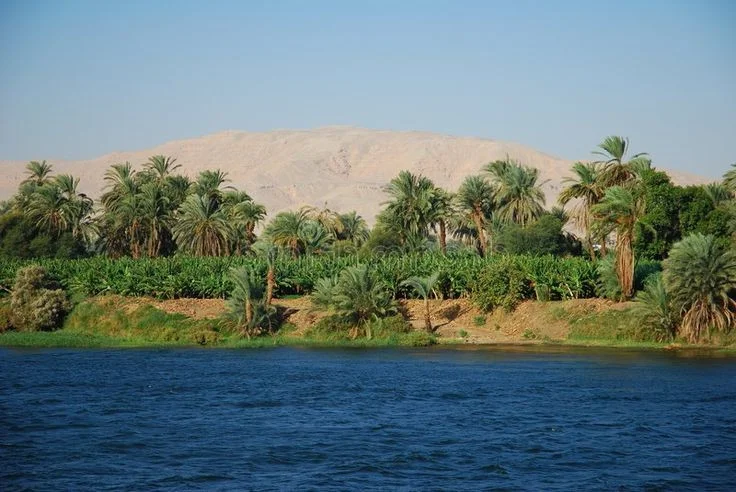
Hidden Secrets of the Nile: Exploring the World's Longest River
khoảng 2 tháng trước
00The Nile River has long held the title of the longest river in the world, serving as the lifeblood of civilizations for millennia. Yet, despite thousands of years of human interaction, there are still many mysterious things about this mighty waterway that have yet to be fully revealed. From its elusive sources deep in the heart of Africa to the hidden ruins submerged beneath its silt, the Nile is a river of secrets. Recent scientific expeditions and satellite imaging have begun to uncover anomalies that hint at lost cities and ancient geographical shifts. One of the most intriguing aspects of the Nile is its role in the development of early science and religion. The ancient Egyptians viewed the river as a god, and its annual flooding was a predictable miracle that allowed their society to thrive. But what about the parts of the river that remain largely unexplored? The Sudd wetland in South Sudan, for instance, is a vast, shifting labyrinth of vegetation that has swallowed explorers and hidden ecosystems for centuries. Furthermore, the debate over whether the Nile or the Amazon is truly the longest river continues to spark scientific discussion, with new measurements frequently challenging the status quo. This article delves into the lesser-known facts about the Nile, including its unique biodiversity, the engineering marvels of the Aswan High Dam, and the ongoing archaeological searches for the tombs of lost pharaohs along its banks. The Nile is not just a body of water; it is a living history book. As we use modern technology to peer deeper into its depths and history, we find that the river's story is far more complex than we ever imagined. Discover the mysteries of the Nile and see why it remains one of the most fascinating features of our planet.
#NileRiver, #GeographySecrets, #AncientHistory, #NatureMysteries, #RiverExploration, #WorldWonders
0 comments
Ads
Related Posts
Ads