Ads
Unsolved Mysteries of the Ancient World: Will the 21st Century Find the Answers?
khoảng 2 tháng trước
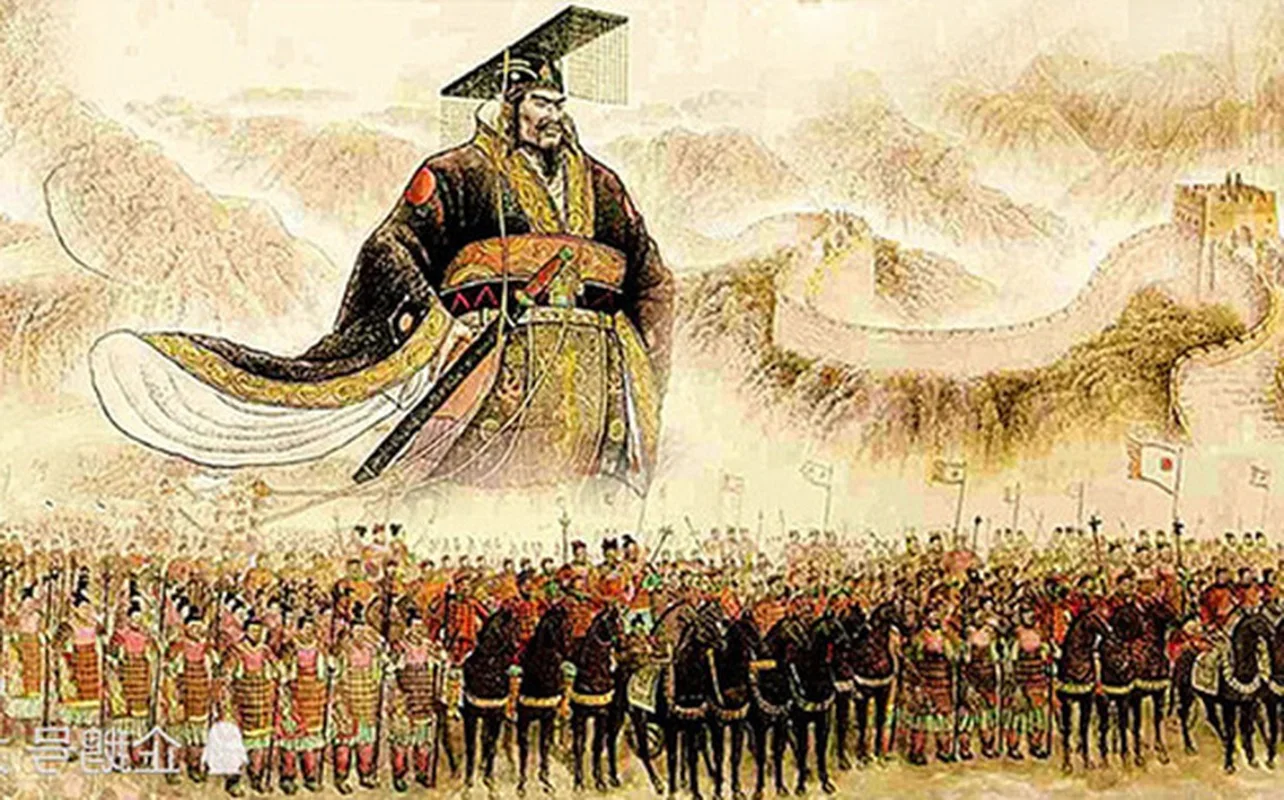
00The 21st century is poised to be a golden age for archaeology, as cutting-edge technology allows us to peer into the past like never before. From the depths of imperial tombs to the undeciphered scripts of lost civilizations, several major historical mysteries are on the verge of being solved. One of the most anticipated is the full exploration of the Tomb of Qin Shi Huang, the first Emperor of China. While the famous Terracotta Army was discovered in 1974, the central burial chamber remains sealed. Concerns over high levels of mercury—described in ancient texts as flowing rivers—and potential booby traps have kept archaeologists at bay. However, modern remote sensing tools like GPR (Ground Penetrating Radar) and magnetometers may soon allow us to map the interior safely.
Another puzzle involves the Minoan civilization of the Mediterranean. For decades, experts have been baffled by 'Linear A,' a script used by the Minoans that remains completely undeciphered. With more than 1,400 samples collected, researchers are now turning to Artificial Intelligence (AI) and advanced machine learning algorithms to find patterns that the human eye might miss. These technologies could finally unlock the language and daily records of one of Europe's earliest sophisticated societies.
Similarly, the Nazca Lines in Peru continue to fascinate. These massive geoglyphs, depicting animals and geometric shapes, are best viewed from the air. Recently, scientists have used deep learning algorithms to scan thousands of aerial photographs, identifying new lines 21 times faster than traditional methods. As we refine these digital tools, we are closer than ever to understanding why ancient people created these gargantuan artworks. Whether it is through AI, satellite imaging, or robotic exploration, the secrets of our ancestors are finally within our reach, promising to rewrite the history books in the coming years.
#AncientMysteries, #QinShiHuang, #NazcaLines, #LinearA, #ArchaeologyTech, #AIInHistory
0 comments
Ads
Related Posts
Ads