Ads
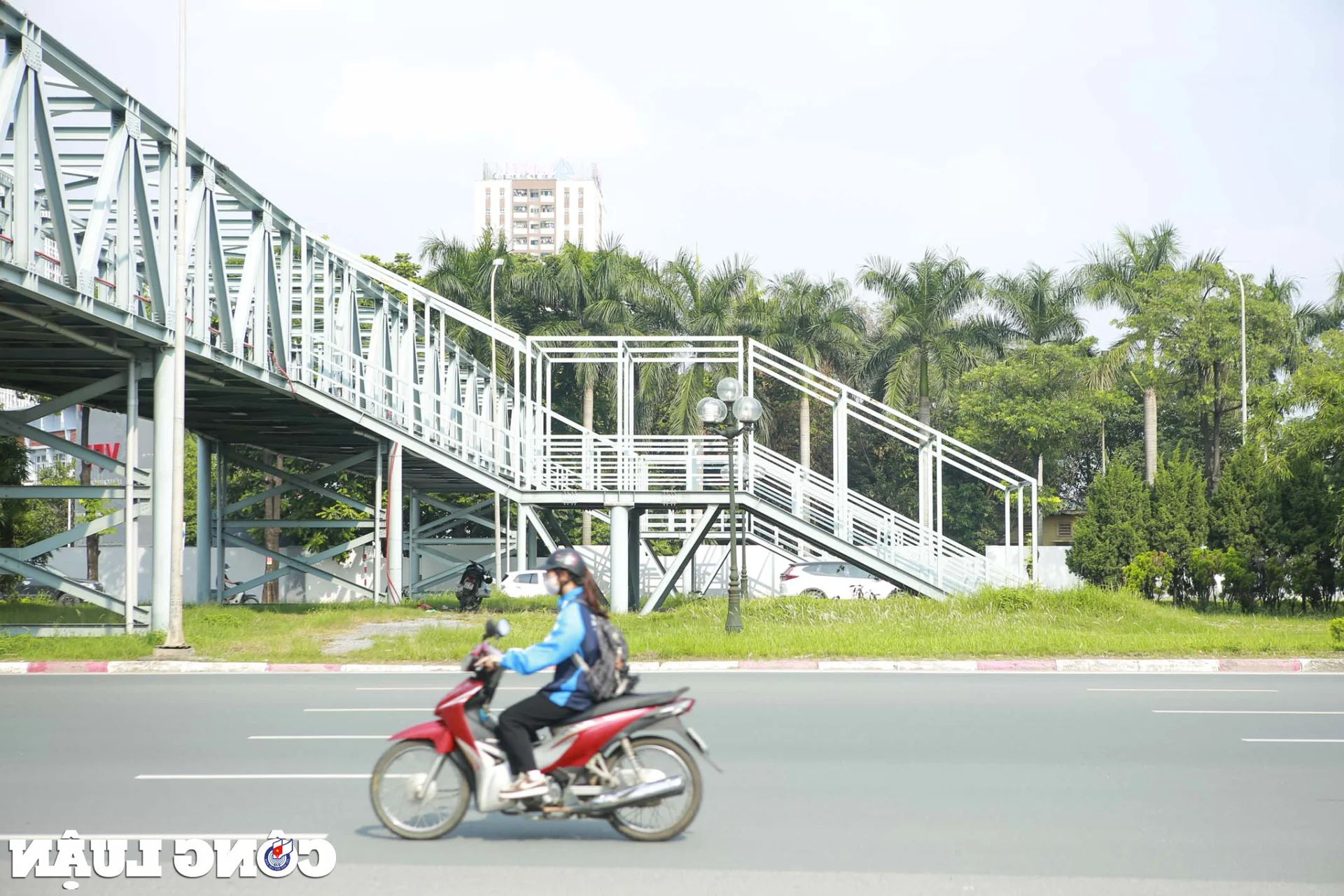
Hanoi's Unusual Pedestrian Bridge Leading Directly Into a Garden
khoảng 2 giờ trước
00Urban planning often presents surprises, but a particular pedestrian bridge in Hanoi has captured the attention of locals and tourists alike for its unconventional design. Located in a busy part of the city, this bridge doesn't just cross a road; it descends directly into a lush garden area, leaving many passersby wondering about its intended purpose. While most pedestrian bridges are designed to connect two sides of a busy street or provide access to public transport hubs, this structure seems to prioritize a scenic route over pure utility. Observations of the bridge show that instead of reaching a sidewalk or a building entrance, the stairs lead users into a green space that feels more like a hidden park than a transit point. Some residents find the design charming, offering a brief escape from the chaotic Hanoi traffic, while others criticize it as an example of inefficient infrastructure planning. The bridge has become a minor social media sensation, with photographers visiting to capture the contrast between the steel structure and the surrounding greenery. This architectural quirk highlights the challenges of rapid urban development in Vietnam's capital, where space is at a premium and old designs often meet new landscape projects in unexpected ways. Whether it was a deliberate attempt to integrate nature into the urban commute or a result of shifting construction plans, the bridge remains a unique landmark. Visitors interested in Hanoi's urban evolution will find this spot a fascinating example of how the city continues to grow and change. The garden at the base of the bridge provides a quiet spot for a rest, making it a functional, if unusual, part of the city's pedestrian network. As Hanoi continues to modernize, these types of architectural anomalies provide a glimpse into the complexities of building a livable city in a densely populated environment.
#HanoiArchitecture, #UrbanPlanning, #VietnamTravel, #QuirkyDesign, #HanoiLife, #PedestrianBridge
0 comments
Ads
Related Posts
Ads