Ads
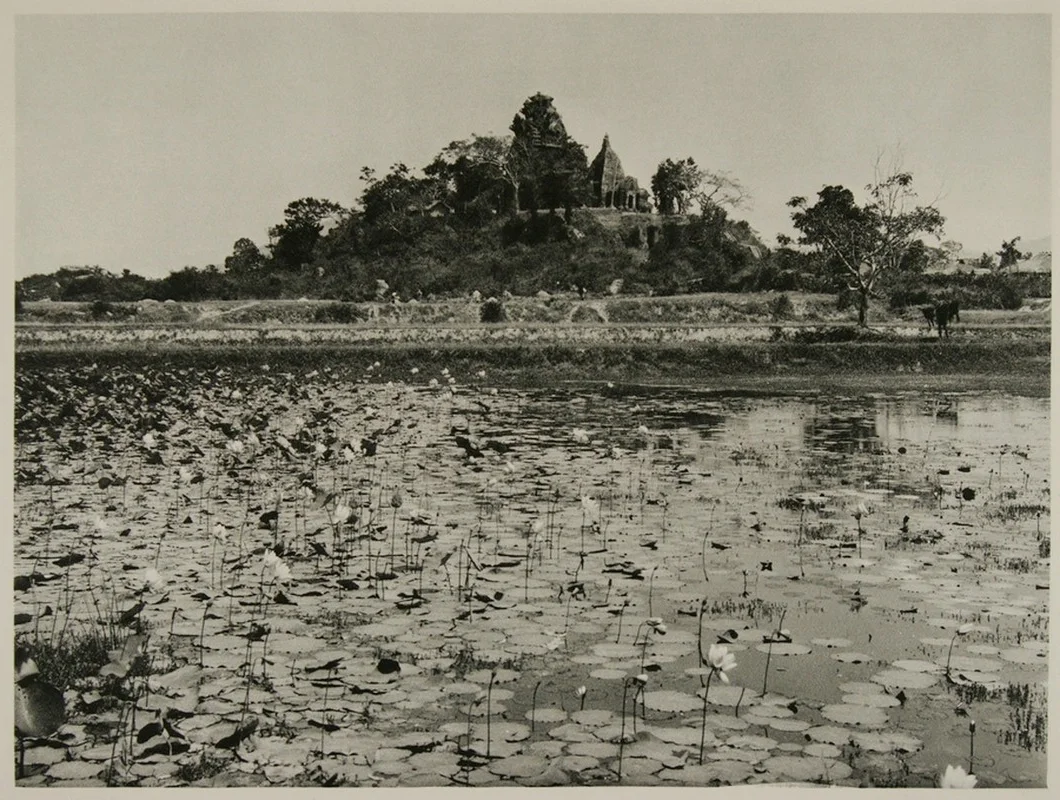
Rare 1926 Archival Photos of Champa Monuments in Vietnam: Exploring the Ancient Architecture and Cultural Heritage of the Cham Kingdom
3 tháng trước
00Discovering the hidden echoes of a lost empire, these rare archival photos from 1926 offer an extraordinary window into the Champa monuments of Vietnam. The Champa civilization, which flourished along the central and southern coast of Vietnam from the 2nd to the 19th century, left behind a legacy of stunning brick temples and intricate stone carvings that continue to fascinate archaeologists and travelers alike. This collection of historical imagery provides a unique perspective on these sacred sites as they appeared nearly a century ago, long before modernization and the scars of later conflicts significantly altered the landscape.
In the early 20th century, researchers and photographers associated with the École française d'Extrême-Orient (EFEO) embarked on missions to document the architectural marvels of Indochina. The 1926 series is particularly significant, capturing the raw, weathered beauty of sites like the My Son Sanctuary, the Po Klong Garai towers, and the Po Nagar complex. These photographs serve as more than just visual records; they are vital historical documents that help scholars understand the original state of the 'Kalan' (temple towers) and the surrounding religious enclosures. For those interested in the preservation of global heritage, seeing these monuments in their 1926 state is a profound experience.
The architecture of the Champa people is renowned for its sophisticated use of red bricks. Unlike many other ancient civilizations, the Cham builders used a mysterious technique to join bricks so tightly that the mortar is almost invisible to the naked eye. The 1926 photos highlight the incredible detail of the sandstone bas-reliefs, featuring deities from the Hindu pantheon, such as Shiva and Skanda, alongside traditional motifs like lotus petals and fire-tongues. Seeing these structures in their 1926 state allows us to appreciate the intricate craftsmanship that has survived the humidity and tropical climate of Southeast Asia for centuries.
For history enthusiasts and cultural explorers in the US and Europe, these images provide a deep sense of connection to a heritage that is often overshadowed by more famous sites like Angkor Wat. However, the Champa ruins offer a distinct aesthetic and historical narrative that is equally compelling. The 1926 archives are essential for anyone interested in Vietnam archaeology, Southeast Asian history, or the preservation of global heritage sites. They remind us of the resilience of culture and the importance of documenting the past to inform our future.
As you browse through these precious 1926 documentary photos, you are transported back to a time of discovery and preservation. These images are not just a gallery of ruins; they are a tribute to the Champa Kingdom's enduring spirit and its contribution to the rich tapestry of Vietnamese history. Whether you are a student of history, an architecture lover, or a curious traveler, this visual journey through the Champa monuments of 1926 is an indispensable resource for understanding the soul of ancient Vietnam and the historical context of the Indochina region.
#ChampaHeritage, #VietnamHistory, #ArchivalPhotos, #AncientArchitecture, #ChampaKingdom, #CulturalHeritage, #VietnamArchaeology, #HistoricVietnam
0 comments
Ads
Related Posts
Ads