Ads
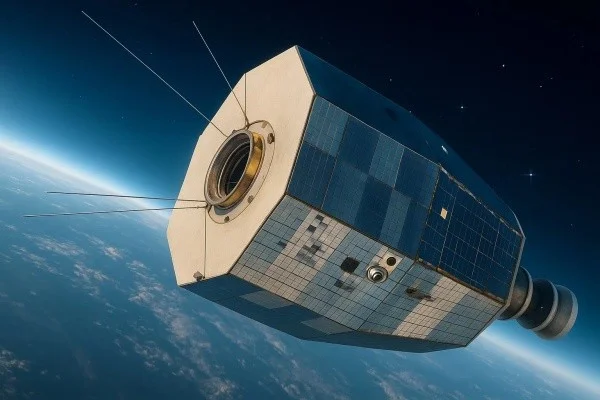
NASA's 'Ghost Satellite' LES-1: A Mysterious Signal Returns After 60 Years in Space
khoảng 2 tháng trước
00In one of the most intriguing mysteries of modern space exploration, a long-lost NASA satellite known as LES-1 has unexpectedly begun communicating with Earth again after nearly 60 years of silence. Launched in 1965 as part of a series of experimental communications satellites, LES-1 (Lincoln Experimental Satellite 1) failed to reach its intended orbit and was eventually declared lost. For decades, it drifted through the vacuum of space, a piece of 'ghost' technology forgotten by all but a few dedicated space historians. However, in 2013, an amateur radio astronomer in the UK picked up a strange, repeating signal that was eventually traced back to the derelict satellite.
The discovery of the LES-1 signal sparked a wave of scientific curiosity. How could a satellite with 1960s technology suddenly spring back to life after decades of exposure to the harsh environment of space? Experts believe that as the satellite's batteries decayed and short-circuited, the solar panels were able to bypass the failed components and power the onboard transmitter directly. Because the satellite is tumbling in space, the signal fades in and out, creating a haunting, rhythmic pulse that has earned it the nickname 'Ghost Satellite.' This event provides a unique opportunity for scientists to study how electronics age over extremely long periods in orbit, which is crucial for planning future long-term space missions. It also highlights the growing issue of space debris and the persistence of human-made objects in the cosmos. The story of LES-1 is a reminder that the universe still holds many surprises, and sometimes, the past has a way of calling back to us from the stars. As NASA and other agencies continue to monitor the signal, the 'Ghost Satellite' remains a fascinating testament to the durability of early space-age engineering and the enduring mystery of the final frontier.
#NASAMystery, #GhostSatellite, #LES1, #SpaceExploration, #Astronomy, #SpaceTech
0 comments
Ads
Related Posts
Ads