Ads
Discover the Top 4 Unique Pyramids Located Outside of Egypt
khoảng 2 tháng trước
00When most people think of pyramids, their minds immediately drift to the iconic Great Pyramids of Giza in Egypt. However, the architectural wonder of the pyramid shape is a global phenomenon, appearing in various cultures and continents throughout history. From the dense jungles of Central America to the arid plains of Sudan, these structures tell stories of ancient civilizations that reached for the heavens. In this exploration, we look at four of the most unique pyramids that are not located in Egypt, each offering a distinct glimpse into human ingenuity and spiritual devotion.
First on our list are the Nubian Pyramids of Meroe in Sudan. While Egypt is famous for its massive structures, Sudan actually contains more pyramids than its neighbor to the north. These pyramids were built by the rulers of the ancient Kushite kingdoms. Unlike the broad bases of Egyptian pyramids, the Meroitic structures are narrower and steeper, creating a striking silhouette against the desert horizon. They served as tombs for kings and queens, showcasing a unique blend of Egyptian influence and indigenous Nubian culture.
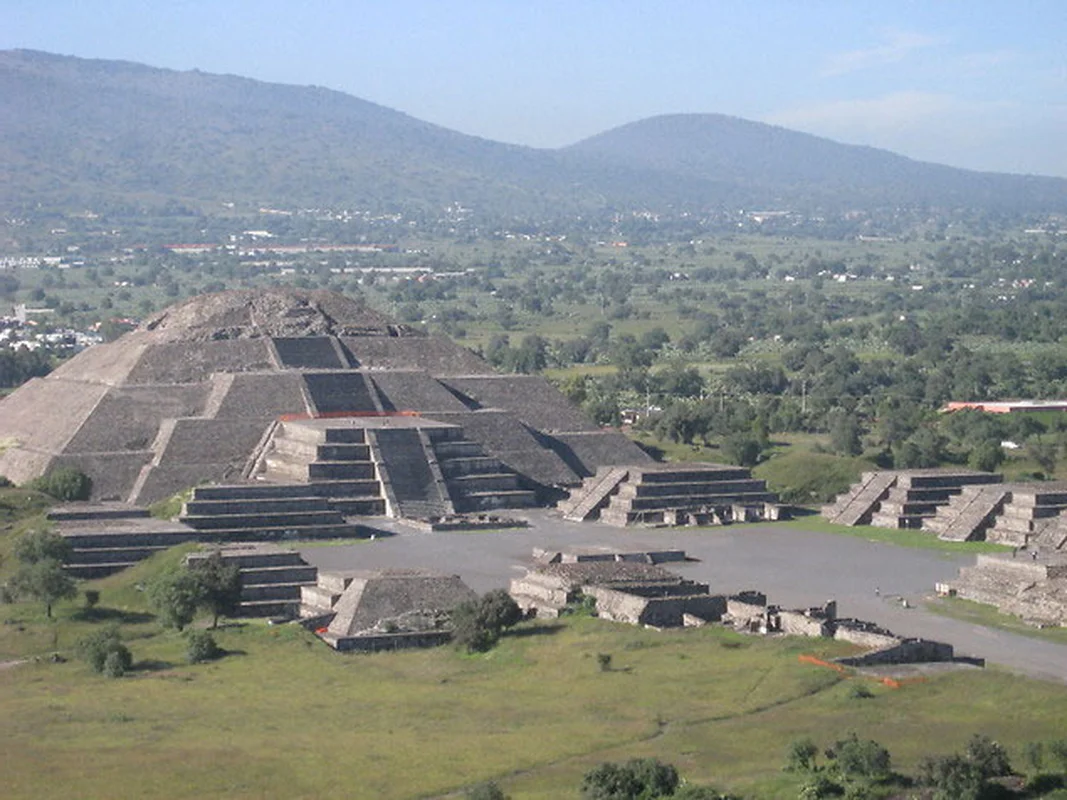
Moving across the Atlantic, we find the massive Pyramid of the Sun in Teotihuacan, Mexico. This is one of the largest structures of its kind in the Western Hemisphere. Built around 200 CE, it stands as a testament to the sophisticated urban planning of the Teotihuacan people. Visitors can still climb its steep steps to gain a breathtaking view of the Avenue of the Dead. The sheer scale and mathematical precision of this monument continue to baffle archaeologists and inspire travelers from around the world.
In Southeast Asia, the Koh Ker temple complex in Cambodia houses the Prasat Thom, a seven-tiered step pyramid that looks remarkably similar to Mayan structures. Hidden deep within the forest, this 10th-century marvel was briefly the capital of the Khmer Empire. Its sandstone blocks and overgrown vegetation provide a mystical atmosphere, far removed from the desert landscapes typically associated with pyramids.
Finally, we visit the Great Pyramid of Cholula in Mexico. While it may look like a natural hill topped by a colonial church, it is actually the largest pyramid by volume in the world. Much of it is overgrown or built over, but the hidden tunnels and massive base reveal a history of continuous use and religious significance spanning centuries. These four examples remind us that the quest to build monumental structures is a universal human trait, transcending borders and eras.
#AncientHistory, #TravelGuide, #WorldWonders, #PyramidArchitecture, #HiddenGems, #Archaeology
0 comments
Ads
Related Posts
Ads