Ads
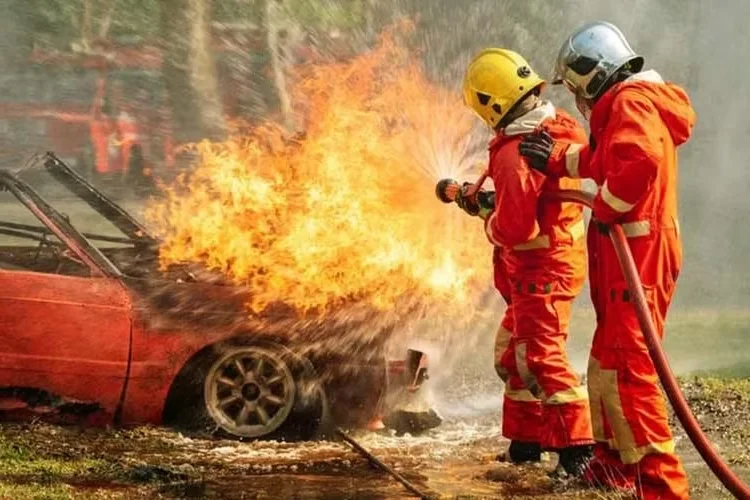
Preventing and Managing Car Fires: Gas vs. Electric Vehicles in Summer
khoảng 2 tháng trước
00As temperatures soar during the summer months, the risk of vehicle fires becomes a serious concern for both gasoline-powered and electric vehicle (EV) owners. Understanding the different causes and the appropriate response for each type of fire is crucial for road safety. Gasoline cars are often at risk due to fuel leaks or engine overheating, whereas electric vehicles face risks related to lithium-ion battery thermal runaway. While EVs are statistically less likely to catch fire than internal combustion engine vehicles, their fires can be significantly more difficult to extinguish. A battery fire requires massive amounts of water and specialized techniques to cool down the cells and prevent reignition. On the other hand, gasoline fires are more immediate but can often be managed with standard fire extinguishers if caught early. This guide explores the preventive measures every driver should take, such as regular maintenance checks, monitoring fluid levels, and ensuring that the cooling systems are functioning correctly. In the event of a fire, the priority is always the safety of the passengers. Knowing how to exit the vehicle quickly and when to call emergency services can save lives. This post also discusses the latest innovations in fire suppression technology designed specifically for the unique challenges of EV batteries. As the automotive world transitions toward more electric options, public awareness about fire safety must keep pace. Whether you drive a traditional car or a modern EV, being prepared for the heat of summer is essential for a safe and worry-free journey. Stay informed about the risks and the best practices for dập lửa (extinguishing fires) to protect yourself and your property.
#CarFireSafety, #ElectricVehicles, #GasolineCars, #SummerSafety, #EVBattery, #FirePrevention
0 comments
Ads
Related Posts
Ads