Ads
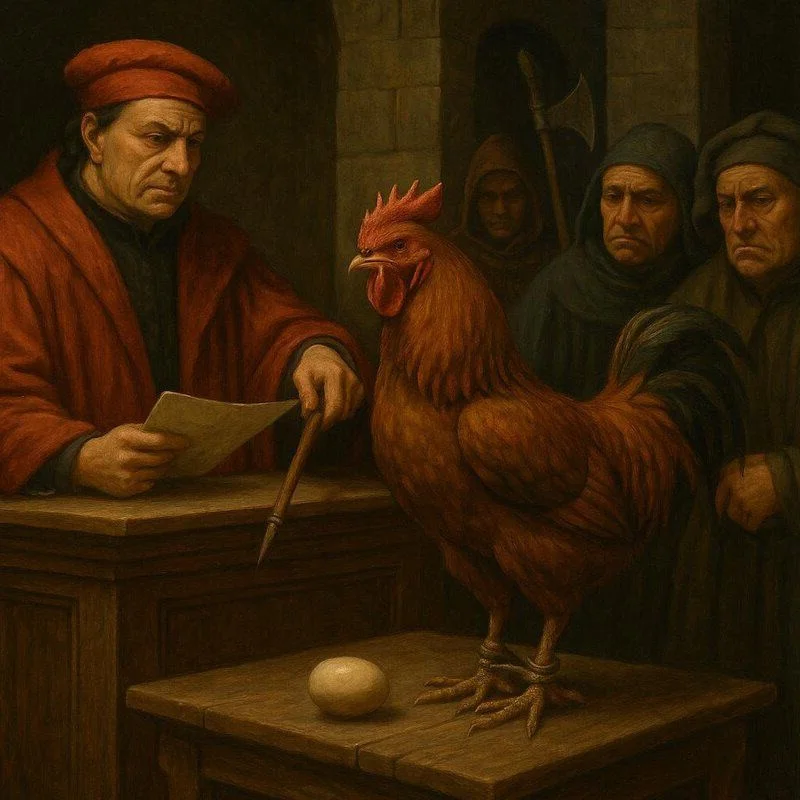
The Bizarre History of Medieval Animal Trials: When Pigs and Insects Stood Before the Judge
3 tháng trước
00The Middle Ages are often remembered for their grand cathedrals, knightly chivalry, and complex feudal systems. However, hidden within the dusty archives of European legal history lies a practice so surreal it sounds like a work of fiction: the formal prosecution of animals. From the 13th to the 18th centuries, it was not uncommon for pigs, cows, rats, and even swarms of locusts to be brought before a court of law to answer for their 'crimes.' These were not mere superstitious lynchings but structured, expensive, and highly formal legal proceedings that mirrored the trials of human defendants.
One of the most famous examples depicted in historical records and art is the trial of a sow in Falaise, France, in 1386. The animal was accused of attacking a child, leading to the infant's death. In a display of legal theater that shocks the modern mind, the pig was not simply slaughtered. Instead, it was held in a local prison, provided with a lawyer, and eventually brought before a judge. To emphasize the gravity of the crime, the sow was dressed in human clothing—a jacket and breeches—before being executed in the town square. This specific case highlights the medieval belief that animals were sentient beings capable of understanding the difference between right and wrong, and therefore subject to the same moral and legal codes as humans.
Legal scholars of the time divided these cases into two categories. Secular courts handled 'individual' animals, typically domestic livestock like pigs or bulls, which were often charged with physical assault or murder. On the other hand, Ecclesiastical (church) courts dealt with 'mass' offenders, such as rodents or insects that destroyed crops. In these instances, the process was even more complex. Since you couldn't put a thousand grasshoppers in a dock, the church would appoint a defense counsel for the pests. These lawyers would argue that the insects were merely following their God-given nature or that they hadn't been given proper notice to leave the field. If the 'defendants' failed to appear or stop their destruction, the bishop might resort to excommunication or ritual anathema.
Why did medieval society invest so much time and money into these trials? Historians suggest it was a way to maintain a sense of order in a chaotic world. By bringing a 'lawless' animal into the courtroom, the community reaffirmed that the law of God and man governed all of creation. It provided a sense of justice for victims and reinforced the idea that no one, not even a beast of the field, was above the law. Today, these trials serve as a fascinating window into the evolution of our legal systems and our changing relationship with the natural world. They remind us that the definition of justice is often a reflection of the culture and era that creates it.
#MedievalHistory, #AnimalTrials, #MiddleAges, #LegalHistory, #StrangeHistory, #HistoricalFacts, #BizarreJustice
0 comments
Ads
Related Posts
Ads