Ads
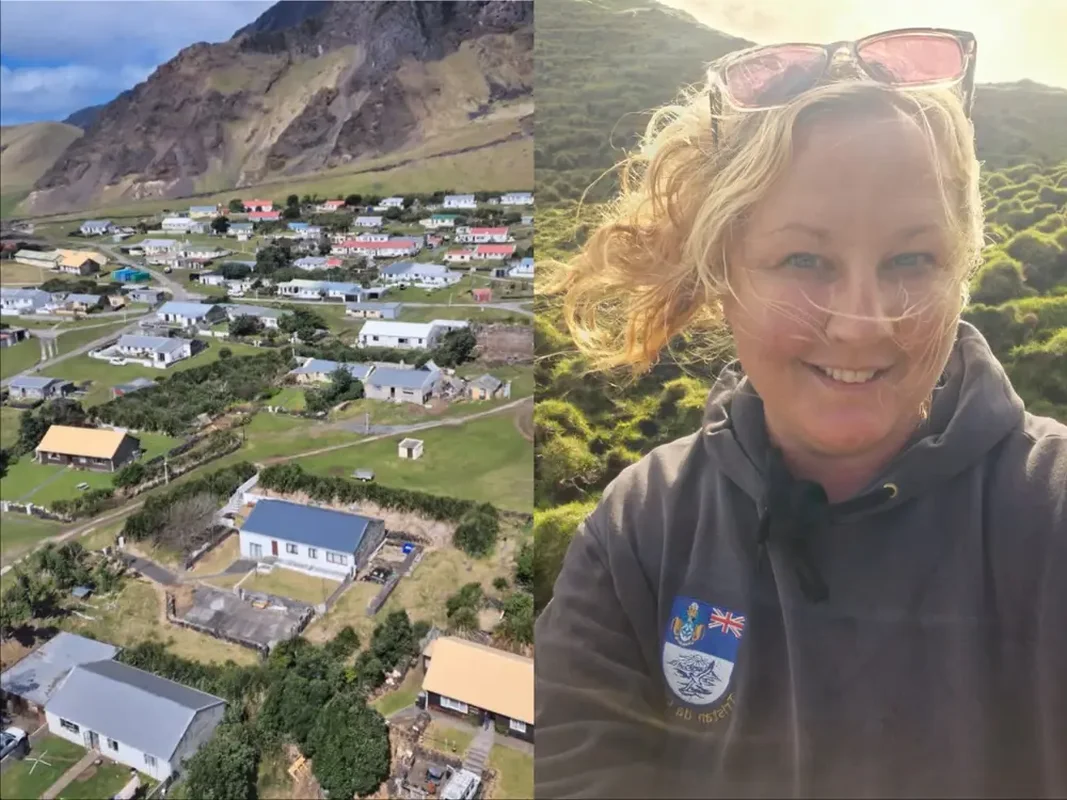
Life on the Edge: Exploring the Most Remote Inhabited Islands on Earth
khoảng 2 tháng trước
00Have you ever wondered what it is like to live thousands of miles away from the nearest continent, completely isolated from the hustle and bustle of modern society? Life on the most remote inhabited islands on Earth, such as Tristan da Cunha, Pitcairn Island, or Easter Island, offers a fascinating glimpse into human resilience, adaptation, and community spirit. These islands, surrounded by vast stretches of open ocean, present unique living conditions that require a high degree of self-reliance and cooperation among residents. With limited supply ships arriving only a few times a year, islanders must rely on local agriculture, fishing, and sustainable resource management to survive. Electricity is often powered by a mix of generators and renewable energy sources like wind and solar power. Despite the lack of shopping malls, fast-food chains, and high-speed fiber-optic internet, the communities on these islands boast incredibly rich cultural traditions and a deep connection to their environment. The slow pace of life allows for strong social bonds, where neighbors treat each other like family and decisions are made collectively. Furthermore, these remote locations are home to unique, untouched ecosystems and endemic wildlife species found nowhere else on the planet. Exploring their daily lives teaches us valuable lessons about sustainability, the true meaning of community, and how humans can thrive in even the most isolated corners of our beautiful planet.
#RemoteIslands, #IslandLife, #ExtremeGeography, #TravelAdventure, #SustainableLiving, #HumanResilience
0 comments
Ads
Related Posts
Ads