Ads
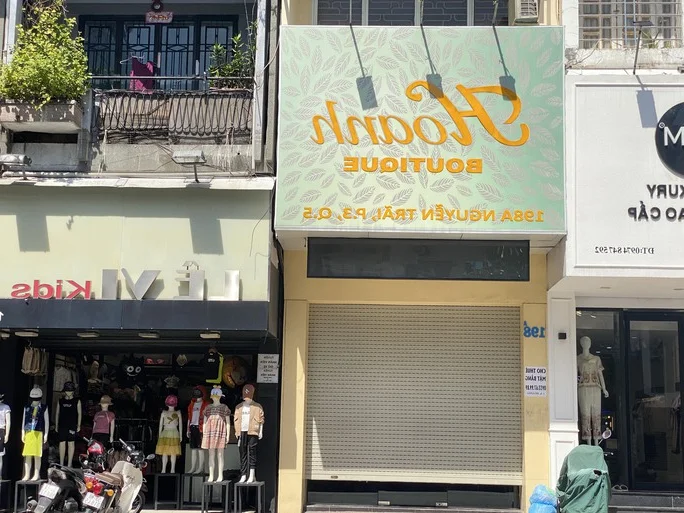
The Changing Landscape of Ho Chi Minh City's Famous Fashion Streets
3 tháng trước
00For decades, the vibrant streets of Ho Chi Minh City have served as the beating heart of Vietnam's retail and fashion industries. Districts like District 1 and District 3, particularly bustling avenues such as Nguyen Trai and Ly Tu Trong, were once filled with crowds of shoppers, bright neon signs, and thriving local boutiques. However, a recent walk down these iconic streets reveals a starkly different reality. Once-coveted commercial spaces now stand empty, adorned with numerous 'for rent' and 'space available' signs, signaling a massive shift in the urban retail landscape.
Several economic and cultural factors have contributed to this dramatic transformation. First and foremost is the rapid rise of e-commerce and social commerce platforms. Today’s consumers, especially Gen Z and Millennials, increasingly prefer the convenience of shopping online through platforms like Shopee, Lazada, and TikTok Shop. With virtual try-ons, easy return policies, and highly competitive pricing, physical storefronts face unprecedented competition. Many local fashion brands have realized that maintaining an expensive physical boutique is no longer as cost-effective as investing in robust digital marketing and online customer service.
Additionally, the soaring cost of commercial real estate in prime city locations has put immense pressure on small and medium-sized fashion retailers. High monthly rents, combined with overhead costs like electricity, staff wages, and inventory management, have made physical retail margins incredibly thin. For many boutique owners, the decision to close their physical doors and transition entirely to an online-only business model is a survival strategy rather than a setback.
While this trend presents challenges for traditional landlords, it also opens up new opportunities for the evolution of urban spaces. Experts suggest that physical stores must transition from simple sales points to experiential spaces. To attract foot traffic, future retail locations may need to integrate interactive elements, cafes, or art galleries, offering experiences that cannot be replicated online. As Ho Chi Minh City adapts to these changes, the retail sector is undergoing a necessary and fascinating reinvention.
#HCMC, #RetailTrends, #FashionIndustry, #RealEstate, #EcommerceShift, #CityLife
0 comments
Ads
Related Posts
Ads