Ads
AI Restores Famous Chinese Historical Figures: The Surprising Results
khoảng 2 tháng trước
00Artificial Intelligence has recently been used to bring the faces of legendary Chinese historical figures to life, offering a glimpse into what they might have actually looked like. Using historical descriptions from classics like 'Romance of the Three Kingdoms' and other ancient texts, AI has generated portraits that are both fascinating and sometimes unexpected.
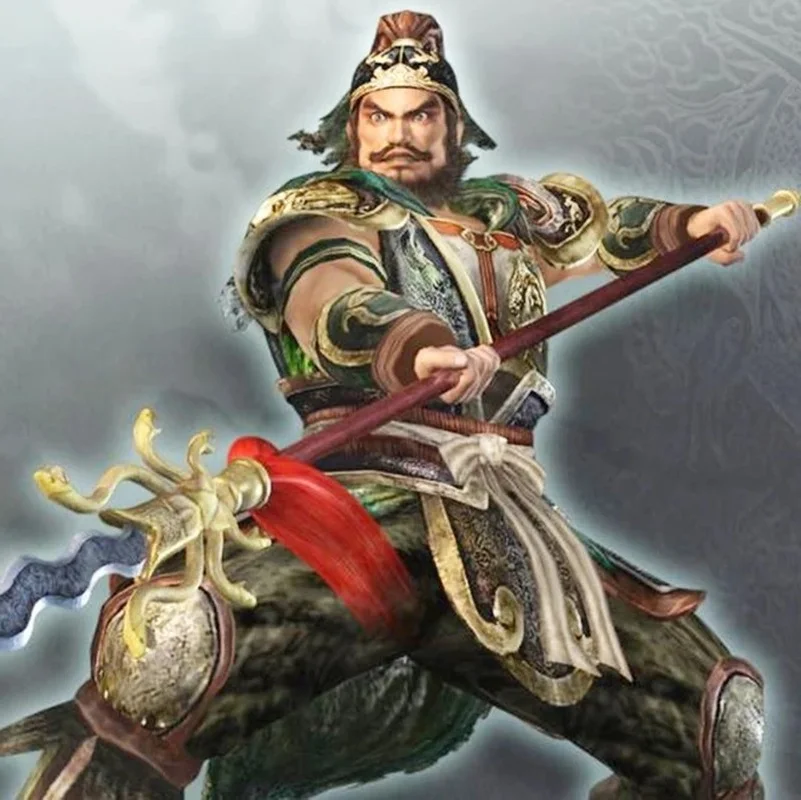
For instance, Liu Bei, the founder of the Shu Han state, was described as having long earlobes, large arms, and sharp eyes. The AI reconstruction reveals a man of noble and sharp features. Similarly, the legendary warrior Guan Yu, known for his 'phoenix eyes' and 'silkworm eyebrows,' appears in the AI portrait with a stern, imposing presence that perfectly captures his reputation as a god of war. In contrast, the reconstruction of Zhang Fei depicts a fearsome, rugged warrior with wide eyes and a thick beard, reflecting his intimidating battlefield persona.
Beyond military figures, the AI also tackled the philosopher Confucius. While ancient texts like those by Zhuangzi described him with unconventional features, the AI-generated portrait shows a face radiating wisdom and kindness, fitting for a man whose teachings have influenced Eastern culture for millennia. Perhaps most striking is the restoration of Empress Wu Zetian. Historical paintings often portrayed her with a simple or plain face, but the AI reconstruction—both in her youth and old age—reveals a woman of breathtaking beauty, with fair skin and elegant features. These AI-powered visualizations provide a modern bridge to the past, sparking new conversations about how we perceive historical icons.
#AIArt, #ChineseHistory, #HistoricalFigures, #ThreeKingdoms, #Confucius, #WuZetian, #ArtificialIntelligence
0 comments
Ads
Related Posts
Ads