Ads
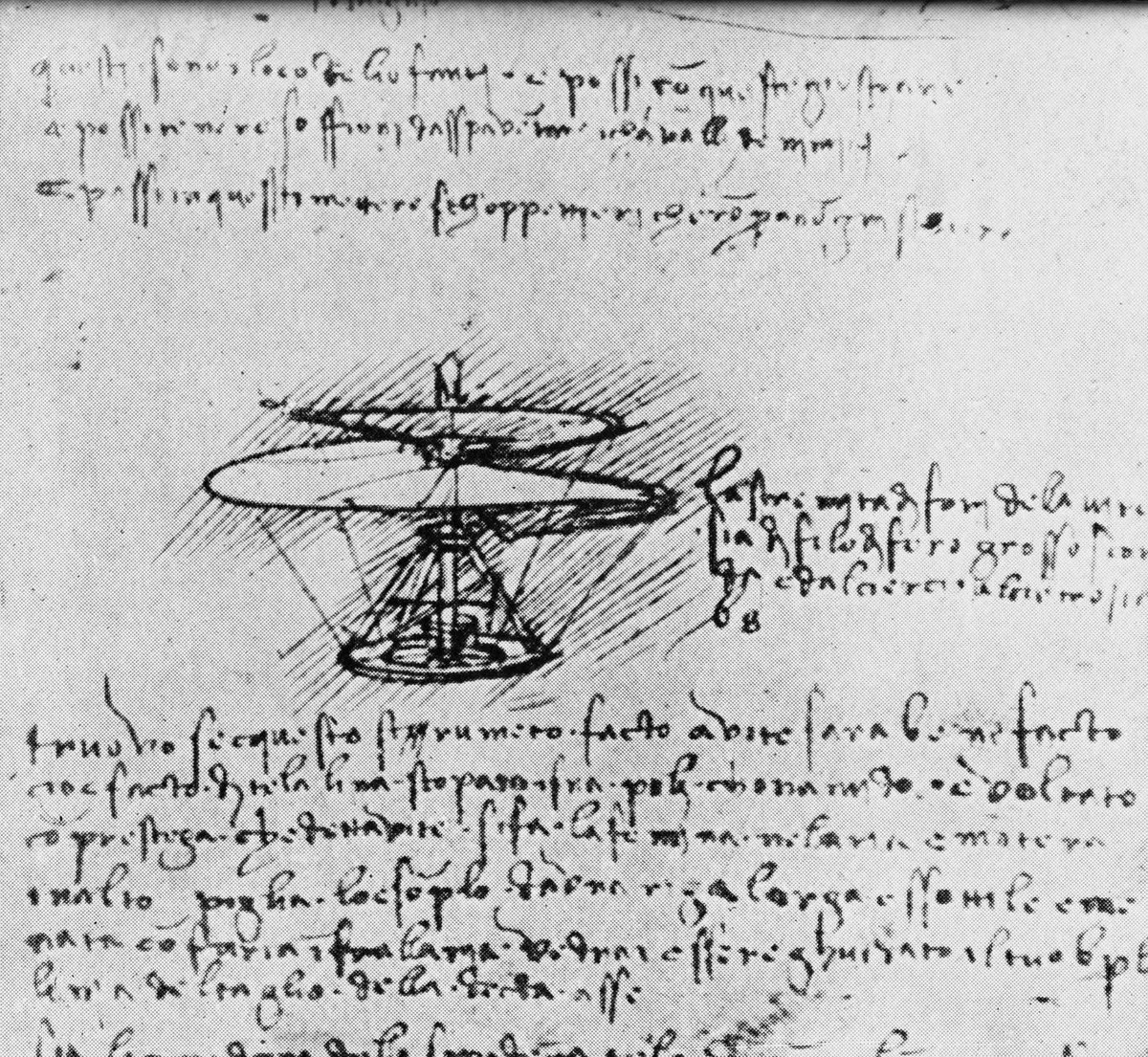
Leonardo da Vinci’s Visionary Aerial Screw: The Precursor to Modern Helicopters
khoảng 2 giờ trước
00Leonardo da Vinci is widely regarded as one of the greatest polymaths in human history, and his contributions to the field of aviation are nothing short of legendary. Long before the Wright brothers took to the skies, Da Vinci was obsessed with the concept of human flight. One of his most iconic designs is the 'Aerial Screw' (Helix Pteron), often cited as the conceptual ancestor of the modern helicopter. This design, sketched in the late 15th century, showcases his profound understanding of aerodynamics and mechanical engineering. The Aerial Screw was envisioned as a device made of linen, wire, and reed, designed to 'drill' through the air to achieve lift. While the technology of the Renaissance era lacked the powerful engines necessary to turn the screw fast enough to overcome gravity, the mathematical and physical principles behind it remain sound. Today, historians and engineers marvel at how Da Vinci anticipated the rotary-wing flight mechanics that would not be fully realized for another 400 years. This post explores the intricate details of his blueprints, the materials he proposed, and the lasting legacy of his genius on modern aerospace engineering. By studying the Aerial Screw, we gain insight into a mind that truly lived ahead of its time, pushing the boundaries of what was thought possible for mankind.
#LeonardoDaVinci, #AviationHistory, #AerialScrew, #Invention, #RenaissanceGenius, #HelicopterDesign
Ads
0 comments
Related Posts
Ads