Ads
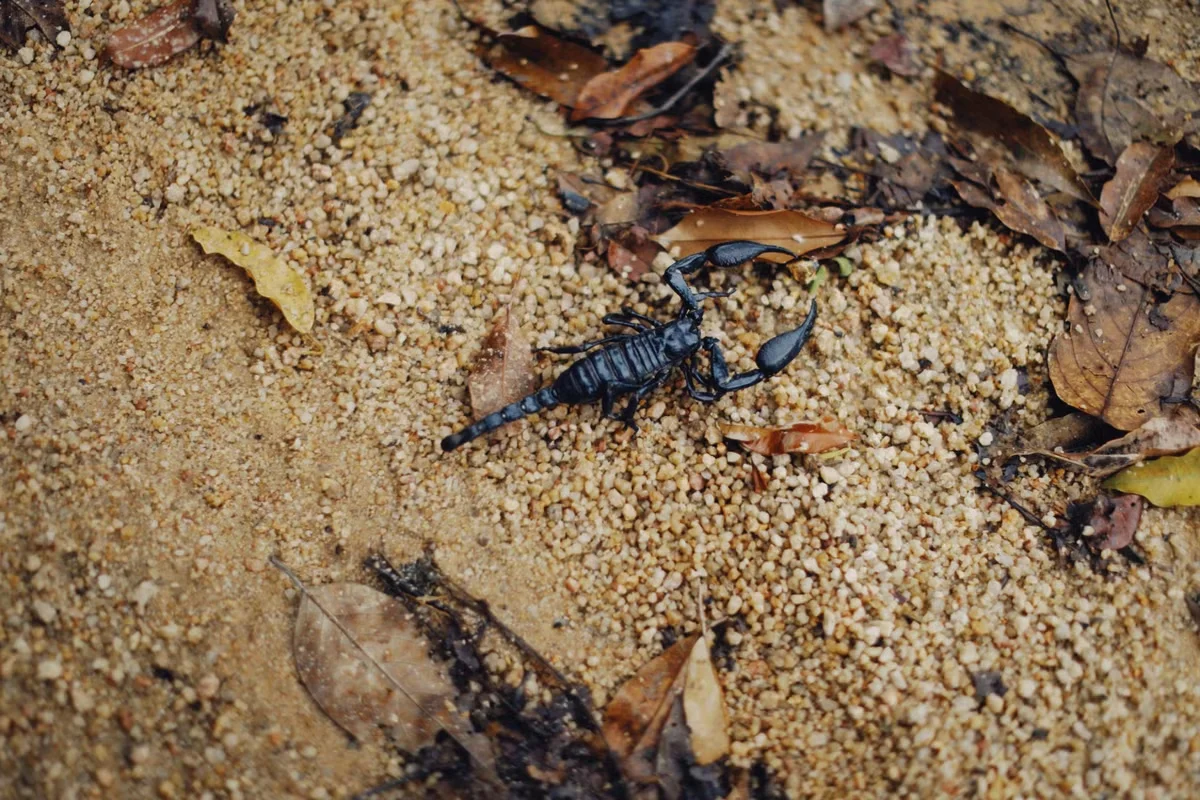
The Enigma of Fluorescence: Giant Scorpions Glowing Under Ultraviolet Light
khoảng 2 tháng trước
00One of the most mesmerizing sights in the natural world is the eerie, neon-green glow of a scorpion under ultraviolet (UV) light. This phenomenon, known as fluorescence, is particularly striking in larger species found in tropical and desert regions. For decades, scientists have been intrigued by why these ancient arachnids possess this trait. The glow comes from a specific layer in the scorpion's exoskeleton called the hyaline layer, which contains fluorescent chemicals like beta-carboline. When exposed to UV light—whether from a researcher's lamp or the faint light of the moon—the scorpion's body absorbs the energy and re-emits it as visible light. This transformation turns a creature that is normally camouflaged into a glowing beacon in the dark.
While the visual effect is undeniable, the biological purpose of this glow remains a topic of active research. Some scientists suggest that it might help scorpions detect light. Since scorpions are primarily nocturnal, their entire body might act as a giant light sensor, allowing them to determine when it is too bright to safely roam, thus helping them avoid predators. Other theories suggest that the fluorescence could be a way to attract prey or even a form of communication between individuals. Interestingly, scorpions do not lose this ability even after they die or when their shed exoskeletons are found. The persistence of the hyaline layer is a testament to the durability of their evolutionary design. For researchers in the field, UV light has become an indispensable tool for locating and studying these elusive creatures at night.
Giant scorpions, such as the Emperor Scorpion or the Forest Scorpion, are especially impressive when they light up. Their large size and formidable pincers combined with the otherworldly glow create a truly alien appearance. Despite their fearsome reputation, most scorpions are not deadly to humans, though their stings can be painful. They play a crucial role in their ecosystems by controlling insect populations. Observing these glowing arachnids reminds us of the hidden wonders of the natural world that are often invisible to the naked eye. It highlights the complexity of evolution and the many ways in which animals have adapted to survive in the shadows. As we delve deeper into the science of fluorescence, we continue to uncover the secrets of one of Earth's oldest and most successful lineages.
#ScorpionGlow, #UVFluorescence, #NatureScience, #Arachnids, #NocturnalWildlife, #GiantScorpion
Ads
0 comments
Related Posts
Ads