Ads
The Gravity-Defying Mystery of the World's Most Precarious Balancing Rocks
khoảng 2 tháng trước
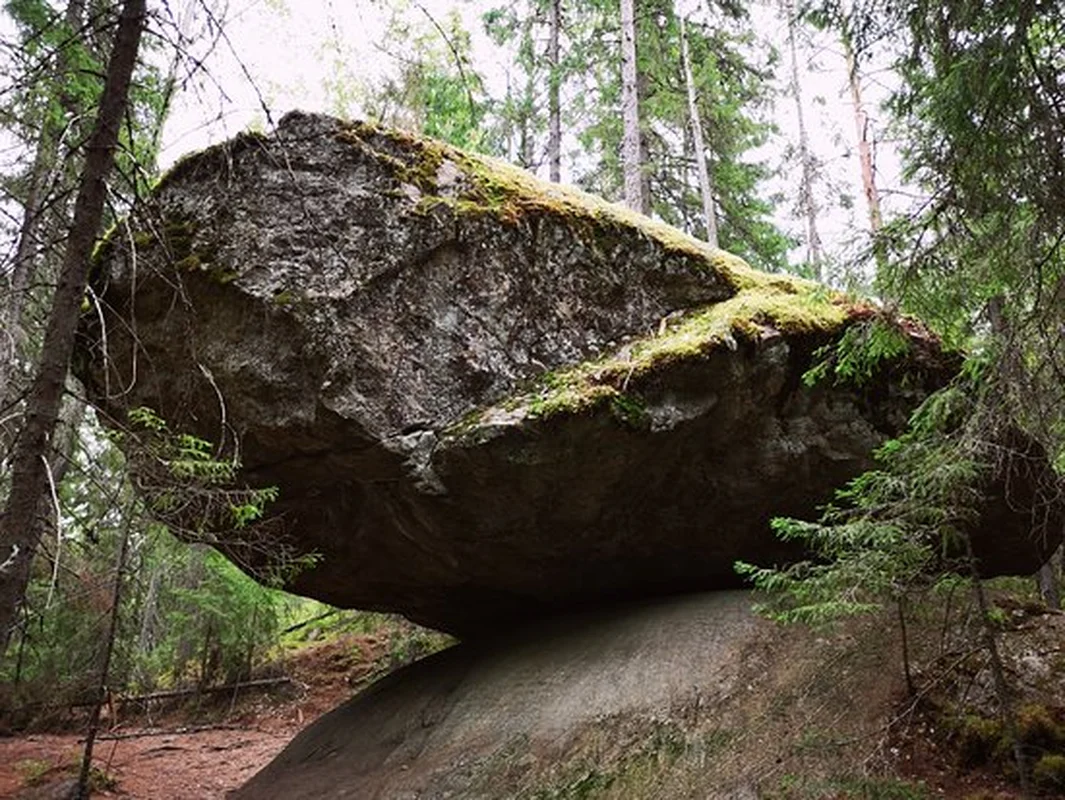
00Nature never ceases to amaze with its ability to create geological wonders that seem to defy the laws of physics. One of the most fascinating examples is the phenomenon of balancing rocks—massive boulders that sit perched on narrow bases, looking as though a slight breeze could knock them over. This gallery explores some of the most famous balancing rocks around the world, including the legendary 'Krishna's Butterball' in India and others found in remote desert landscapes. Despite their precarious appearance, these rocks have remained stationary for thousands of years, surviving earthquakes and centuries of weathering. The secret lies in their center of gravity and the unique erosional processes that shaped the surrounding landscape while leaving the harder rock intact.
Geologists and tourists alike are drawn to these sites, often attempting to 'push' the rocks to see if they will budge. Of course, they never do. The stability of these formations is a testament to the precision of natural forces. In this post, we delve into the science behind how these rocks are formed and why they remain so stable. Often, the base of the rock is made of a different material that eroded more slowly, or the rock itself is a glacial erratic—dropped by a retreating glacier in a seemingly impossible position. These landmarks are not just geological curiosities; they often hold cultural and spiritual significance for local communities, featuring in myths and legends passed down through generations. For travelers and nature lovers, visiting a balancing rock is a humbling experience that highlights the incredible power and artistry of the natural world. This gallery captures the awe-inspiring sight of these stones, inviting you to wonder at the mysteries of our planet's ancient history.
#BalancingRocks, #GeologyWonders, #NatureMystery, #TravelDestinations, #NaturalPhenomena, #EarthScience
0 comments
Ads
Related Posts
Ads