Ads
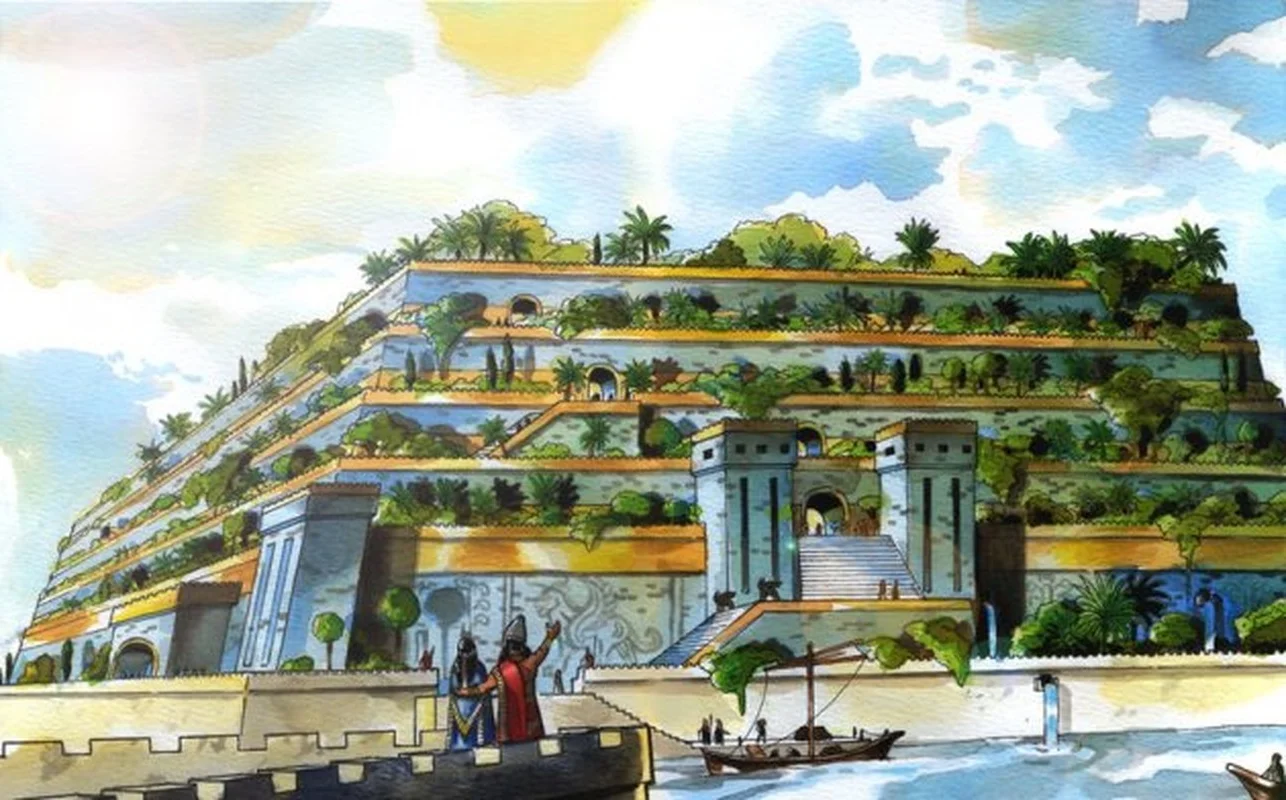
The Mystery of the Hanging Gardens of Babylon: Did They Exist?
khoảng 2 tháng trước
00The Hanging Gardens of Babylon remain one of the most intriguing mysteries of the ancient world. Listed as one of the Seven Wonders of the Ancient World, these legendary gardens were described by ancient historians as a magnificent, tiered green mountain filled with exotic plants, cascading waterfalls, and complex irrigation systems. According to legend, they were built by King Nebuchadnezzar II in the ancient city of Babylon (near modern-day Al-Hillah in Iraq) for his wife, Amytis, who missed the green hills of her homeland. However, despite decades of archaeological excavations, no physical evidence of the gardens has ever been found in Babylon.
This lack of archaeological proof has led historians and scientists to ask a fundamental question: Did the Hanging Gardens of Babylon actually exist, or were they merely a poetic legend? Some researchers believe that the gardens were indeed real but were destroyed by earthquakes and erosion over the centuries, leaving no trace behind. Others suggest that the ancient writers who described them had never actually visited Babylon and were exaggerating or blending different stories together.
One of the most compelling modern theories comes from Oxford scholar Dr. Stephanie Dalley, who proposes that the gardens did exist but were located in a completely different city. Her research suggests that the legendary gardens were built in Nineveh, the capital of the Assyrian Empire, by King Sennacherib, rather than in Babylon by Nebuchadnezzar. Nineveh has extensive evidence of advanced aqueducts and water engineering that could have supported such a marvel. Whether located in Babylon or Nineveh, the concept of the Hanging Gardens continues to capture our imagination, representing the pinnacle of ancient engineering and human creativity.
#HangingGardens, #AncientWonders, #BabylonHistory, #ArchaeologyMysteries, #AncientCivilizations, #HistoryUnsolved
0 comments
Ads
Related Posts
Ads