Ads
NASA Data Unlocks Deep Mysteries of Mars: Water, Atmosphere, and Life Potential
khoảng 2 tháng trước
00For decades, the Red Planet has stood as one of humanity's ultimate scientific frontiers, captivating researchers and space enthusiasts alike. Now, groundbreaking new data released by NASA is helping scientists solve some of the most enduring mysteries surrounding Mars. By analyzing high-resolution imagery, atmospheric readings, and soil samples collected by state-of-the-art rovers and orbiters, researchers are piecing together a clearer picture of Mars' ancient past and its potential to support microbial life.
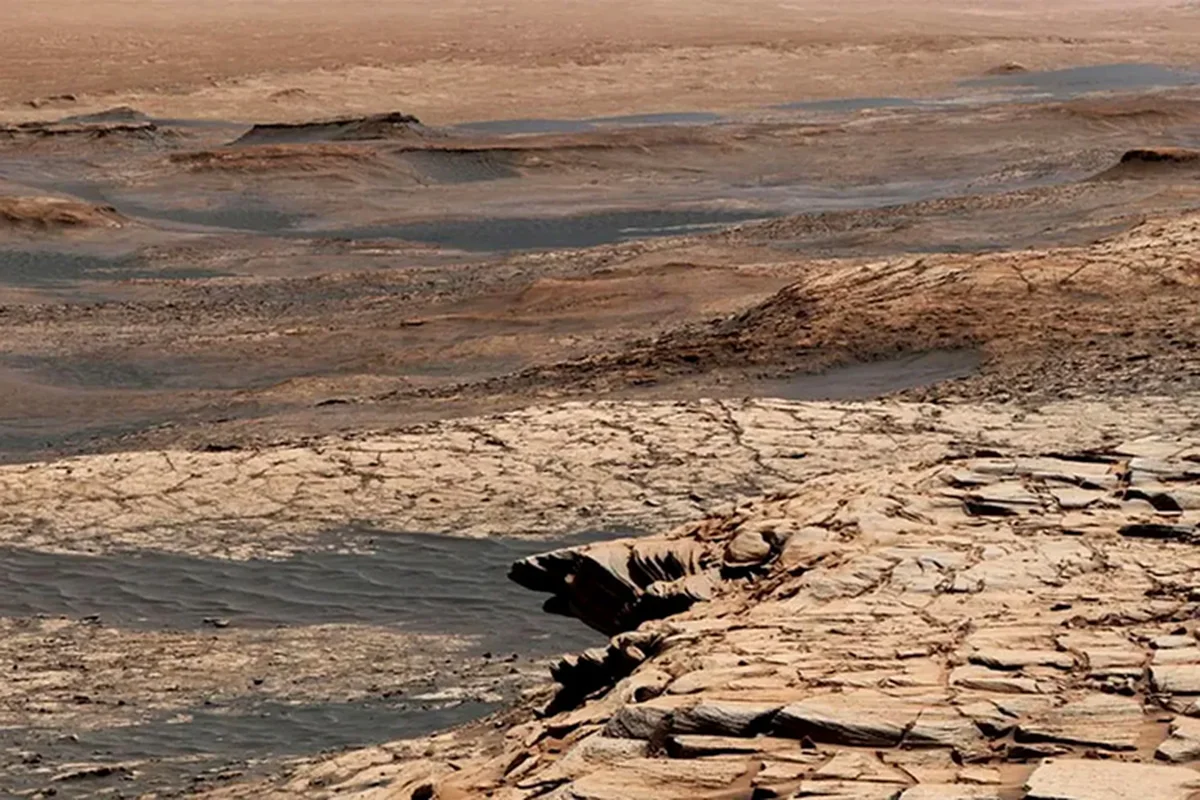
One of the most exciting aspects of the new NASA data is the further confirmation of liquid water history on the Martian surface. The data reveals intricate details of ancient lakebeds, river deltas, and mineral deposits that could only have formed in the presence of liquid water billions of years ago. These findings suggest that Mars was once a much warmer, wetter, and potentially habitable world. Additionally, advanced atmospheric sensors have provided new clues about how Mars transitioned from a lush planet to the barren, cold desert we see today, pointing to solar wind striping as a key factor in the loss of its thick atmosphere.
As NASA's Perseverance and Curiosity rovers continue to traverse the rugged Martian terrain, sending back invaluable geological data, the scientific community is closer than ever to answering the ultimate question: Are we alone in the universe? The ongoing analysis of these Martian soil and rock samples not only paves the way for future human exploration missions but also deepens our understanding of planetary evolution and the conditions required to sustain life in the cosmos.
#NasaMars, #SpaceExploration, #MarsMysteries, #RedPlanet, #PlanetaryScience, #SpaceDiscovery
0 comments
Ads
Related Posts
Ads