Ads
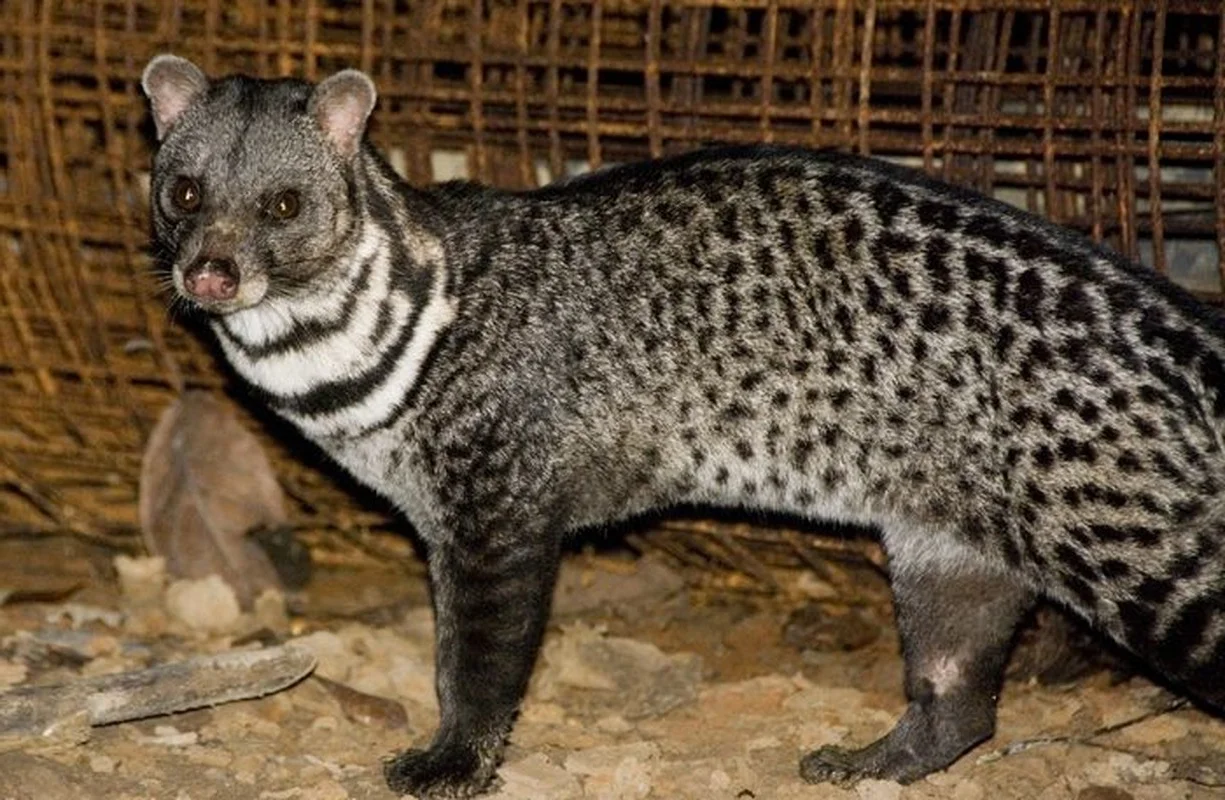
Fascinating Behaviors and Unique Traits of the Viverridae Family: Exploring the World of Civets and Genets
khoảng 2 tháng trước
00The animal kingdom is full of mysterious creatures, and the Viverridae family—commonly known as civets, genets, and linsangs—stands out as one of the most enigmatic groups of mammals. Often mistaken for cats or mongooses, these small-to-medium-sized carnivorans possess a unique set of biological traits and behaviors that have allowed them to thrive in diverse environments across Africa and Asia. This gallery explores the fascinating world of the Viverridae, highlighting the distinct characteristics that make them a vital part of our planet's biodiversity. One of the most defining features of the Viverridae family is their nocturnal lifestyle. Most species are active under the cover of darkness, using their large eyes and acute sense of hearing to navigate dense forests and brush. Their lithe, elongated bodies and retractable or semi-retractable claws make them exceptional climbers, often spending much of their time in the canopy searching for food. Unlike many other carnivores, many members of the Viverridae family are omnivorous. Their diet is incredibly varied, ranging from small rodents, birds, and insects to fruits, roots, and even carrion. This dietary flexibility is a key factor in their survival, allowing them to adapt to seasonal changes in food availability. Perhaps the most famous (or infamous) trait of the civet is the production of musk. Many species possess perineal glands that secrete a strong-smelling substance used for scent marking and communication. Historically, this musk was highly valued in the perfume industry as a fixative, though synthetic alternatives are now more common. Furthermore, the Asian Palm Civet has gained international notoriety for its role in the production of Kopi Luwak, the world’s most expensive coffee, which involves the fermentation of coffee cherries within the animal's digestive tract. Beyond their physiological traits, the social behaviors of these animals are equally intriguing. While many are solitary hunters, some species exhibit complex social structures. Their communication involves a mix of vocalizations, body language, and chemical signals left via their scent glands. Understanding these behaviors is crucial for conservation efforts, as many Viverridae species face threats from habitat loss, illegal wildlife trade, and hunting. By appreciating the unique ecological niche these animals occupy, we can better advocate for the protection of the tropical forests they call home. This gallery serves as a tribute to the Viverridae family, showcasing their beauty and the intricate behaviors that define their existence in the wild.
#WildlifePhotography, #Viverridae, #CivetCats, #AnimalBehavior, #NatureLovers, #NocturnalAnimals, #Biodiversity, #WildlifeConservation
Ads
0 comments
Related Posts
Ads