Ads
Discovering the 'Sleeping Hunter': A Groundbreaking Revelation in the World of Paleontology
3 tháng trước
00The world of paleontology has been rocked by a stunning new discovery: a dinosaur species nicknamed the 'Sleeping Hunter.' This remarkable find offers a rare, frozen-in-time glimpse into the behavior of prehistoric creatures that roamed the Earth millions of years ago. Unlike many fossils found in scattered or defensive positions, this particular specimen was discovered in a curled-up, bird-like sleeping posture, providing invaluable data on how these ancient predators rested and conserved energy.
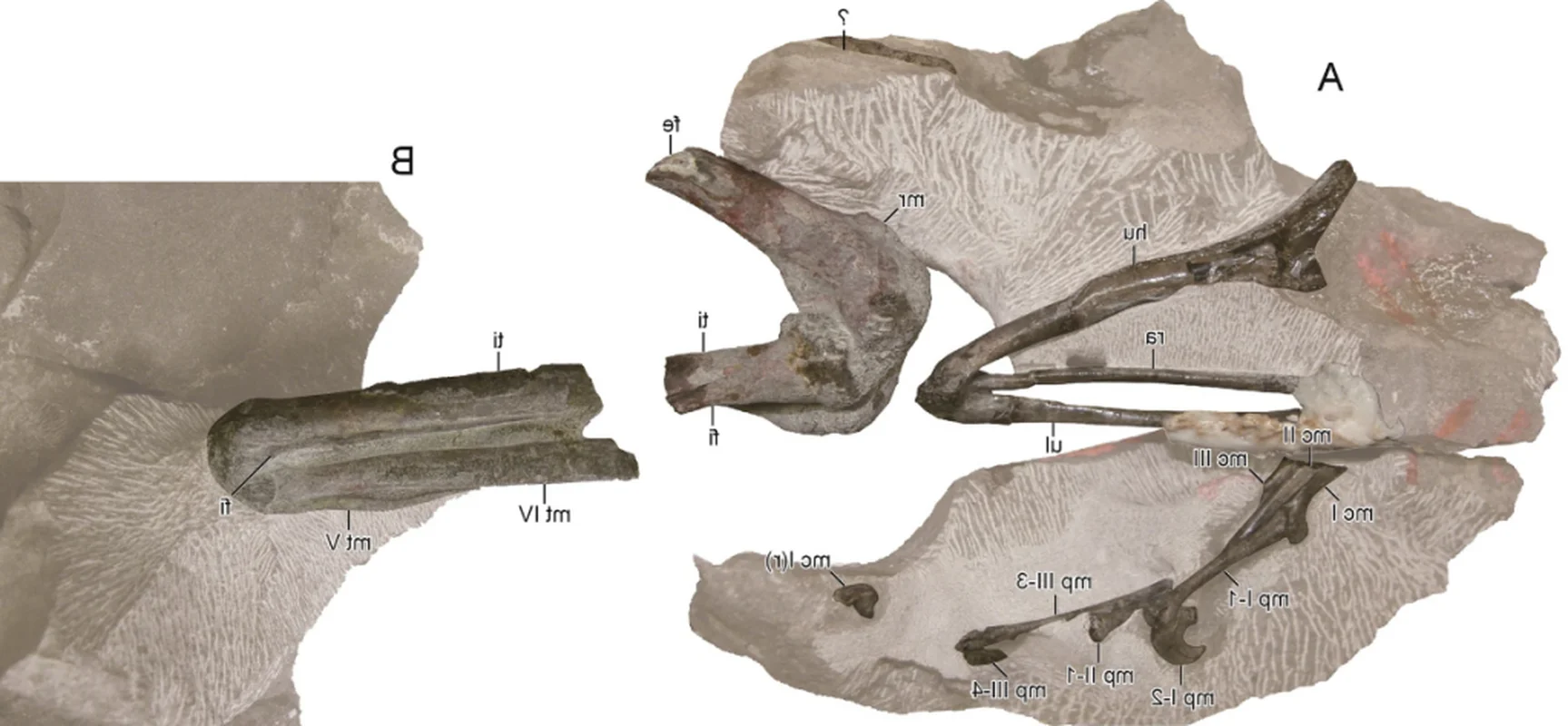
Scientifically known as a member of the alvarezsaurid family, the 'Sleeping Hunter' (often associated with the genus Jaculinykus yaruui) was a small, bird-like dinosaur characterized by its unique skeletal structure. The discovery was made in the Gobi Desert, a region famous for its exceptionally preserved fossils. What makes this find so significant is the 'sleeping' position—with its head tucked under its wing-like forelimbs and its tail wrapped around its body. This posture is strikingly similar to modern birds, suggesting that the biological traits we associate with avian sleep evolved much earlier than previously thought.
Researchers believe that the 'Sleeping Hunter' was a highly specialized predator. Despite its small size, it possessed powerful hind legs for sprinting and unique, single-clawed forelimbs that were likely used to dig into termite mounds or insect nests. This combination of speed and specialized tools made it a formidable 'hunter' in its ecosystem. The fact that it died while sleeping suggests a sudden event, such as a sandstorm or a collapsing dune, which instantly buried the creature and preserved its final moments for eternity.
This discovery challenges our understanding of dinosaur metabolism. The curled-up sleeping position is a heat-conservation strategy used by warm-blooded animals today. By finding this behavior in a dinosaur from the Late Cretaceous period, scientists are gaining more evidence that many small theropods were likely endothermic, or warm-blooded, further blurring the line between dinosaurs and modern birds.
As excavations continue, the 'Sleeping Hunter' remains a symbol of the mysteries still hidden beneath the earth's surface. Each bone and every detail of its preserved posture tells a story of survival, evolution, and the complex lives of creatures that existed long before humans. This gallery explores the intricate details of the fossil, the reconstruction of the dinosaur’s appearance, and the scientific implications that are changing the way we look at the prehistoric world.
#Paleontology, #DinosaurDiscovery, #SleepingHunter, #PrehistoricLife, #FossilResearch, #ScienceNews, #Evolution
0 comments
Ads
Related Posts
Ads