Ads
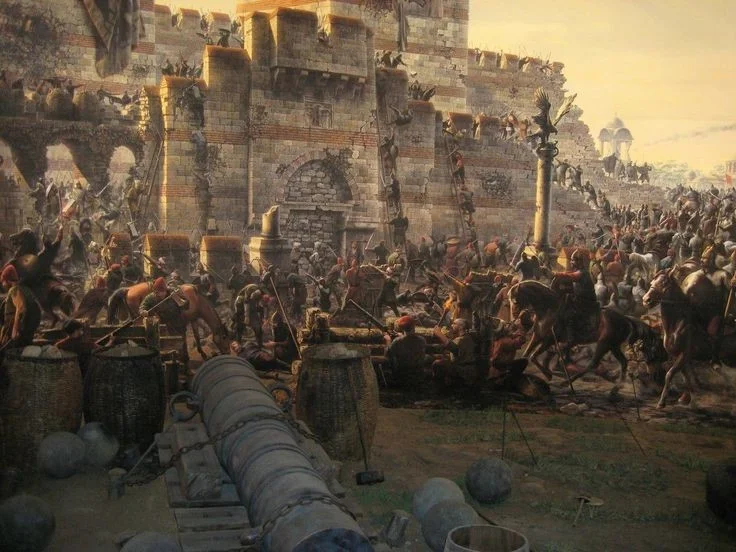
The Fall of Constantinople: The Shocking Battle That Ended the Byzantine Empire
khoảng 1 giờ trước
00The year 1453 marks one of the most significant turning points in human history: the fall of Constantinople. For over a millennium, the Byzantine Empire had stood as the successor to Rome, a bastion of Christian culture and classical knowledge. However, the rise of the Ottoman Empire brought a challenge that the aging walls of the city could no longer withstand. This post delves into the shocking details of the final siege that led to the collapse of a legendary empire.
Led by the young and ambitious Sultan Mehmed II, the Ottoman forces employed revolutionary military tactics and technology. The most famous of these was the use of massive cannons, engineered by Orban, which could fire stone balls weighing hundreds of pounds. These 'super-weapons' of the 15th century slowly battered the legendary Theodosian Walls, which had been considered impregnable for centuries. The siege lasted for 53 days, characterized by brutal urban combat, naval maneuvers involving ships being dragged overland, and a desperate defense led by Emperor Constantine XI.
When the city finally fell on May 29, 1453, it sent shockwaves throughout Europe and the Mediterranean. The loss of Constantinople signaled the end of the Middle Ages and the beginning of the Renaissance, as Greek scholars fled to Italy, bringing with them ancient texts that fueled a cultural rebirth. The fall also forced European powers to look for new trade routes to the East, eventually leading to the Age of Discovery. This historical deep-dive explores the strategic mistakes, the heroism of the defenders, and the geopolitical consequences that still resonate today. Understanding the collapse of the Byzantines is essential for anyone interested in the foundations of modern Europe and the Middle East.
#ByzantineEmpire, #History, #Constantinople, #OttomanEmpire, #MilitaryHistory, #WorldHistory
Ads
0 comments
Related Posts
Ads