Ads
The Mystery of Ghostly Lights That Baffle Scientists Worldwide
khoảng 2 tháng trước
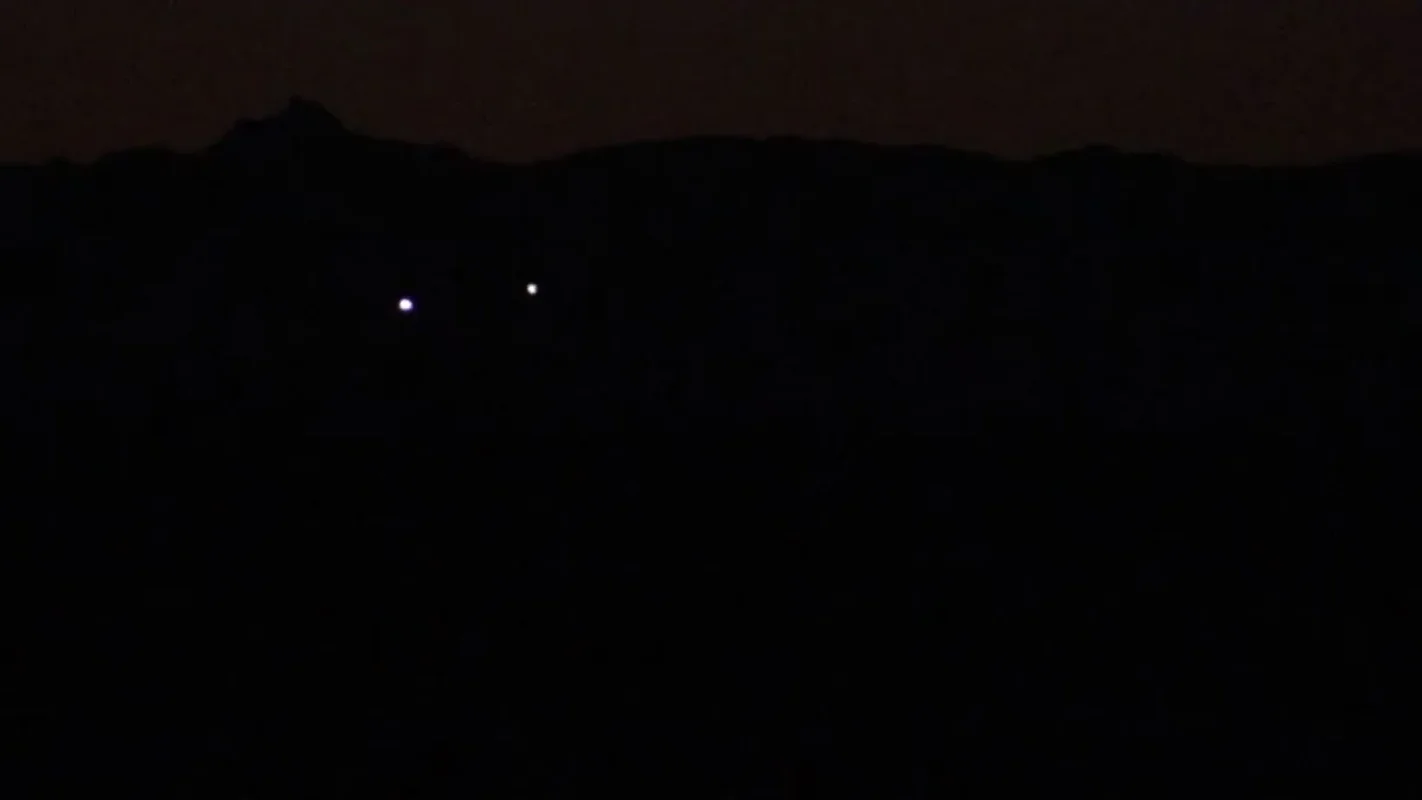
00For centuries, people around the world have reported sightings of mysterious, glowing orbs of light floating silently over swamps, valleys, and mountain ridges. Often referred to as 'ghost lights,' 'will-o'-the-wisps,' or 'earthquake lights,' these eerie atmospheric phenomena have inspired countless local legends and ghost stories. However, they also present a genuine scientific puzzle. Despite decades of research and advanced monitoring equipment, the precise origin of these ghostly lights continues to baffle scientists, challenging our understanding of atmospheric physics and geology.
One of the most famous examples of this phenomenon occurs in Hessdalen, Norway, where strange, colorful lights appear regularly in the night sky. Scientists have established automated observatories in the valley to record these occurrences, but a definitive explanation remains elusive. Hypotheses range from the combustion of natural gases (such as methane and phosphine) rising from decaying organic matter, to complex plasma formations generated by tectonic stress in the Earth's crust. Some researchers suggest that certain rock formations, under immense pressure before an earthquake, can generate intense electrical charges that travel to the surface, ionizing the air and creating glowing plasma balls.
Despite these scientific theories, reproducing these lights in a laboratory environment has proven extremely difficult, and no single theory can explain all recorded sightings. This gallery takes you on a journey to the world's most famous ghost light hotspots, including Hessdalen in Norway, the Marfa lights in Texas, and the Min Min lights in Australia. Through stunning night-sky photography, scientific diagrams, and historical accounts, we explore the thin line between folklore and cutting-edge science as researchers continue to seek answers to this mind-bending natural mystery.
#GhostLights, #UnexplainedPhenomena, #ScienceMysteries, #AtmosphericPhenomena, #HessdalenLights, #ParanormalScience
0 comments
Ads
Related Posts
Ads