Ads
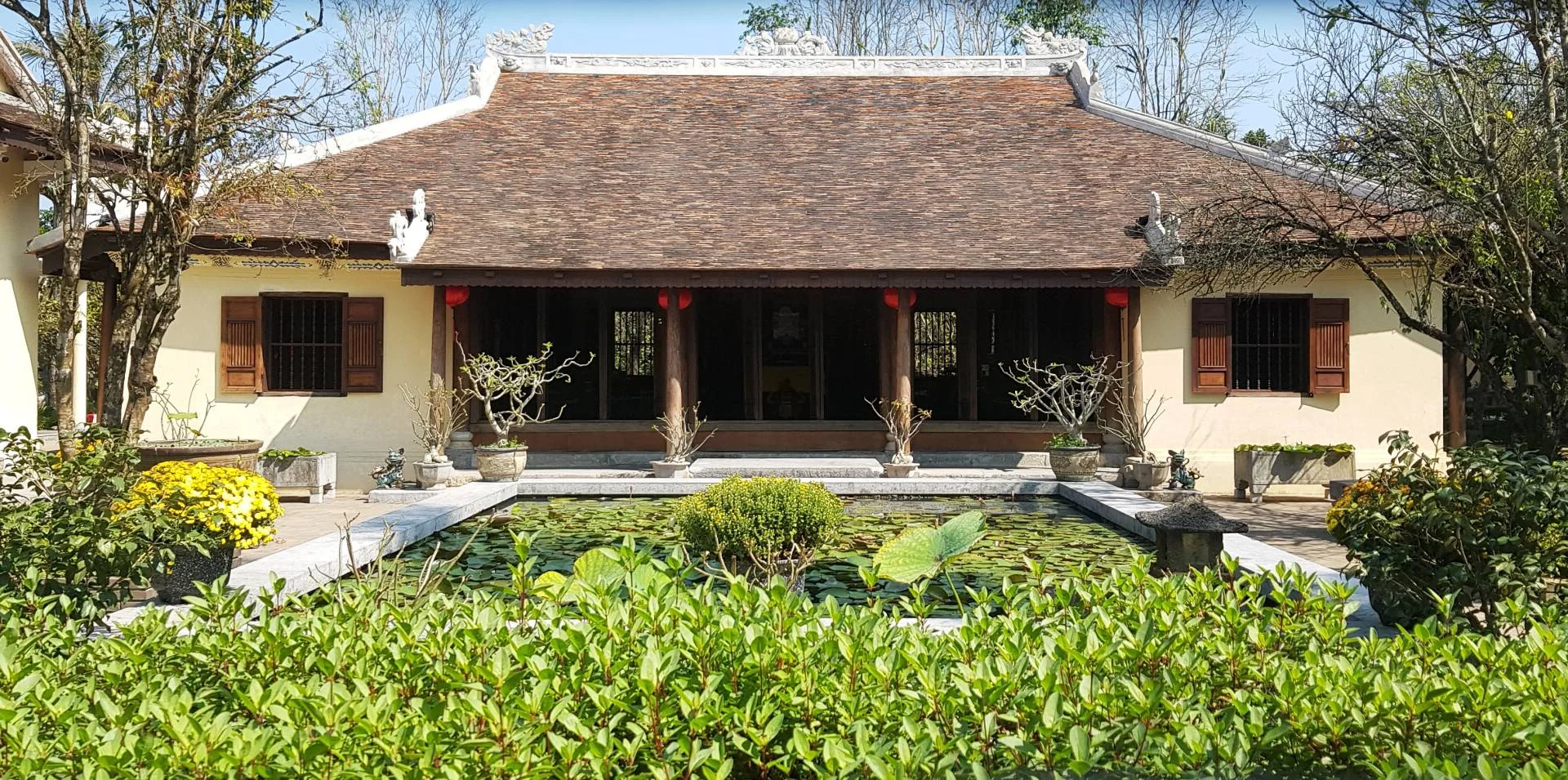
Traditional Vietnamese Architecture: Understanding the Charm of the 3-Room, 2-Wing House
3 tháng trước
00The traditional Vietnamese house, specifically the '3-room, 2-wing' (nha 3 gian 2 chai) model, is a masterpiece of vernacular architecture that has stood the test of time. For centuries, this design has been the standard for rural homes across Vietnam, particularly in the Northern and Central regions. But what exactly is a 'chai nha,' and why does this specific layout continue to be favored even in modern architectural revivals? The answer lies in its perfect harmony with the local climate, social structure, and spiritual beliefs.
In this architectural style, the '3 gian' refers to the three main central rooms. The middle room is typically the most sacred, housing the ancestral altar and serving as the formal reception area for guests. The two flanking rooms serve as living or sleeping quarters for the men in the family. The '2 chai' refers to the two additional wings or side rooms built at either end of the main structure. These wings are often lower and narrower, used as bedrooms for women, storage for agricultural tools, or as kitchen spaces. This clear division of space reflects the traditional family hierarchy and the practical needs of a farming household.
One of the primary reasons for the enduring popularity of this design is its climate adaptability. The '3-room, 2-wing' house is built with a deep porch and a high roof, usually covered in terracotta tiles or thatch. This structure facilitates excellent natural ventilation, allowing cool breezes to flow through the house while providing shade from the intense tropical sun. The use of natural materials like wood, brick, and stone helps regulate the interior temperature, keeping the house cool in summer and warm in winter. The layout often faces south or southeast to catch the most favorable winds and avoid the harsh northern cold.
Spiritually and culturally, the house is seen as a connection between the earth and the heavens. The symmetry of the '3 gian 2 chai' layout provides a sense of balance and stability. Even today, many modern villas and homestays in Vietnam are adopting this traditional silhouette. By integrating modern amenities into the classic framework, designers are preserving a piece of Vietnamese soul. It is a style that speaks of heritage, community, and a deep respect for nature. Understanding the 'chai nha' is key to appreciating the ingenuity of Vietnamese ancestors and the timeless beauty of their craftsmanship.
#VietnameseArchitecture, #TraditionalHouse, #ChaiNha, #CulturalHeritage, #VernacularDesign, #AsianArchitecture
0 comments
Ads
Related Posts
Ads