Ads
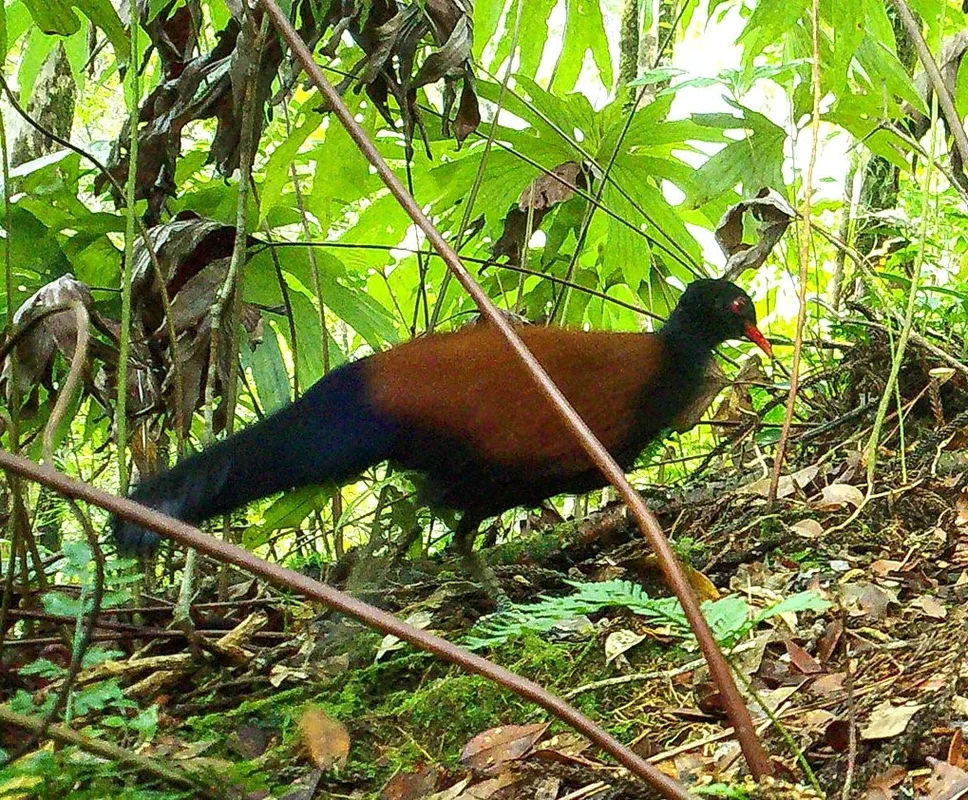
Miraculous Rediscovery: The Black-naped Pheasant-Pigeon Returns After 140 Years
khoảng 2 tháng trước
00In a stunning victory for conservation biology, the Black-naped Pheasant-pigeon has been rediscovered on Fergusson Island, Papua New Guinea, after being 'lost' to science for 140 years. This elusive ground-dwelling bird was last documented by scientists in 1882, leading many to fear that it had long since succumbed to extinction. The rediscovery is a testament to the persistence of researchers and the vital importance of local ecological knowledge in tracking down the world's most mysterious species.
The primary reason for the bird's long disappearance was a combination of extreme habitat loss and minimal human intervention in its remote territory. As urbanization and deforestation swept through many parts of the region, the specific wetlands and dense forest floors that the Pheasant-pigeon calls home were significantly reduced. Furthermore, the species is notoriously shy, and the encroachment of human noise and light pollution further pushed it into the deepest corners of the island. The recent sighting was made possible through an intensive search involving camera traps and interviews with local hunters who had occasionally reported seeing a bird fitting its unique description.
Moving forward, the focus has shifted from discovery to urgent protection. Conservationists are working to establish formal protected areas on Fergusson Island to prevent further habitat destruction from logging. International cooperation is being sought to implement breeding programs and to study the bird's behavior, which remains largely a mystery due to its century-long absence. This miraculous 'rebirth' of a species provides a glimmer of hope for other animals on the brink of extinction. It serves as a powerful reminder that with dedicated effort and environmental stewardship, we can still save the irreplaceable biodiversity of our planet before it vanishes for good.
#PheasantPigeon, #WildlifeDiscovery, #ConservationSuccess, #ExtinctionReversed, #PapuaNewGuinea, #RareBirds
0 comments
Ads
Related Posts
Ads