Ads
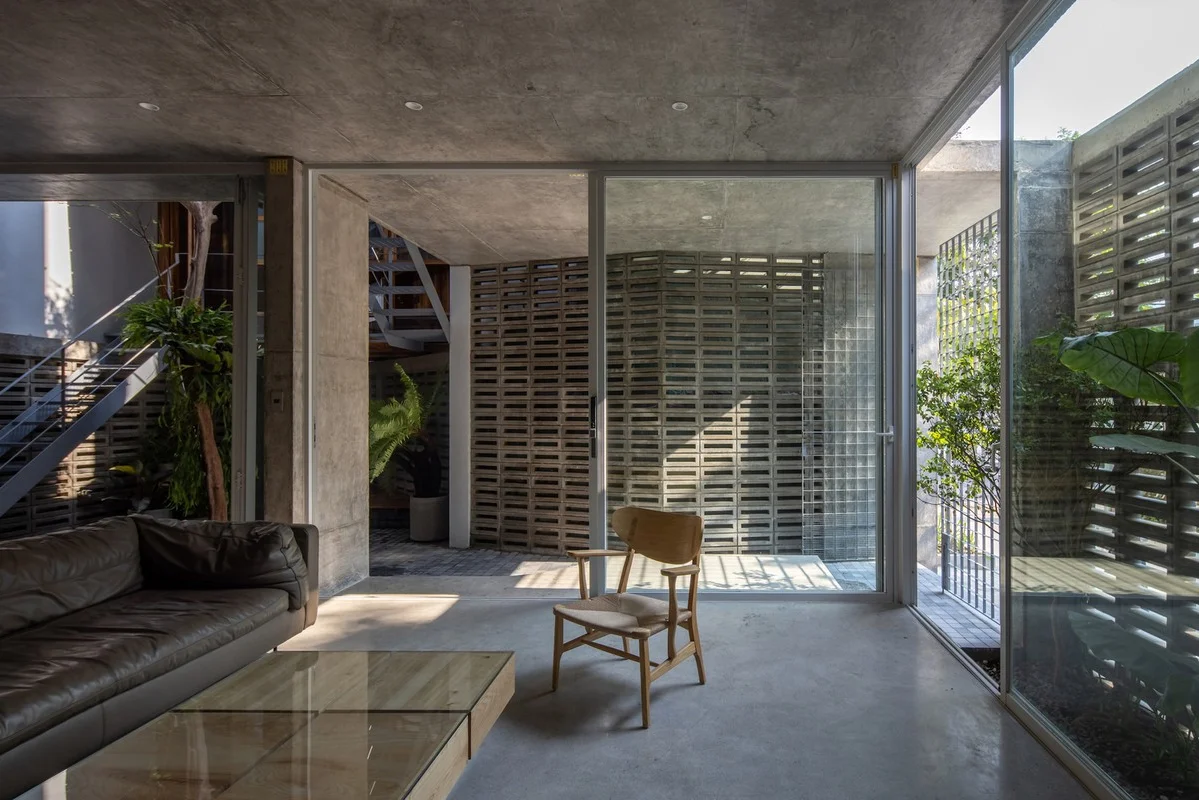
Innovative Double-Layer Facade for West-Facing Houses: A Modern Solution for Natural Cooling and Architectural Beauty
3 tháng trước
00Designing a home that faces the west is often considered a significant challenge in modern architecture due to the intense afternoon sun and heat gain. However, the concept of a 'double-layer facade' has emerged as a revolutionary solution, blending functionality with high-end aesthetics. This architectural approach, often referred to as a 'double-skin' or 'ventilated facade,' creates a buffer zone between the external environment and the internal living spaces, effectively allowing the house to 'hide from the sun' while maintaining a bright and airy atmosphere.
The primary benefit of a double-layered facade for a west-facing house is thermal regulation. The outer layer acts as a primary shield, absorbing and reflecting a significant portion of solar radiation before it ever reaches the main structural walls. This layer can be constructed from various materials, including perforated bricks, wooden slats, metal screens, or even a 'living wall' of climbing plants. By creating this gap, natural convection is encouraged; hot air rises and escapes through the top, while cooler air is drawn in from the bottom, providing a passive cooling effect that significantly reduces the reliance on air conditioning and lowers energy costs.
Beyond the functional aspects of temperature control, this design choice offers unparalleled privacy and aesthetic depth. In urban environments where houses are often built close together, the outer skin provides a veil of privacy without sacrificing natural light. During the day, sunlight filters through the patterns of the facade, creating a dynamic play of light and shadow—often called the 'bokeh' effect—inside the home. At night, the house transforms into a glowing lantern, with interior light spilling out through the decorative perforations, making it a landmark of modern design in the neighborhood.
Inside these west-facing sanctuaries, the integration of green spaces and small courtyards behind the first layer further enhances the living experience. These 'in-between' spaces serve as tranquil transition zones, allowing residents to enjoy the outdoors without the harshness of direct sunlight. The use of natural materials like clay bricks or sustainable timber not only aids in insulation but also adds a warm, organic feel to the contemporary structure. For anyone looking to build a comfortable, sustainable, and visually stunning home in a hot climate, the double-layer facade represents the perfect marriage of traditional wisdom and modern engineering.
#ModernArchitecture, #WestFacingHouse, #SustainableDesign, #DoubleLayerFacade, #PassiveCooling, #HomeInspiration, #ArchitecturalInnovation
0 comments
Ads
Related Posts
Ads