Ads
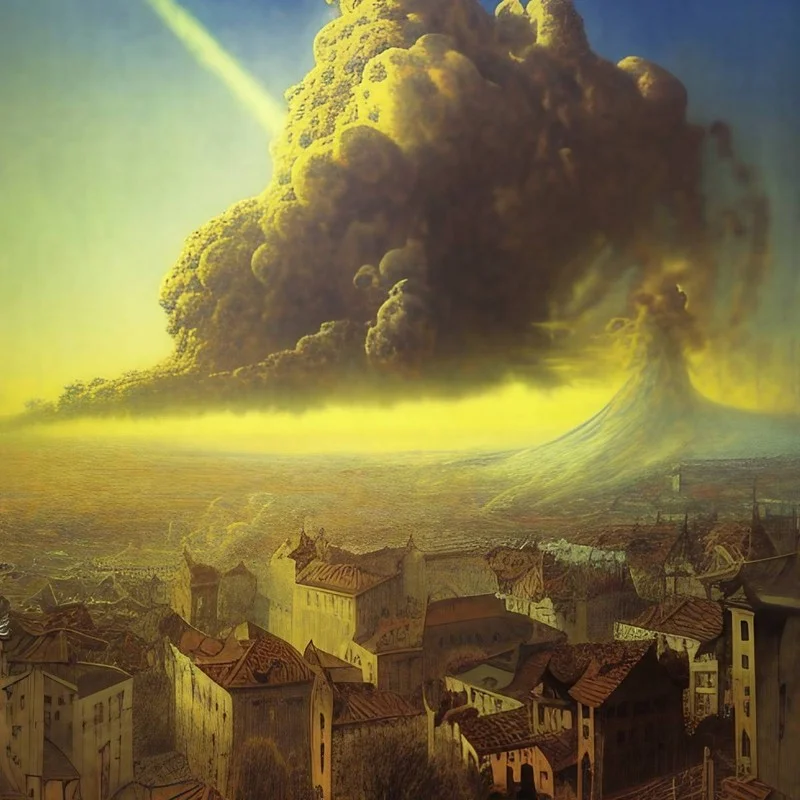
The Mystery of the Dark Age: 18 Months Without Sun
khoảng 3 giờ trước
00Throughout human history, there have been periods of extreme crises, but none quite match the sheer terror and mystery of the year 536 AD. Often referred to by historians as the worst year to be alive, this period marked the beginning of a literal 'dark age' that plunged humanity into 18 months of near-total darkness. A mysterious, dense fog swept across Europe, the Middle East, and parts of Asia, blocking out the sun's rays and leaving the world in a cold, dim twilight that severely disrupted life on Earth.
During this harrowing year and a half, the sun shone with only the light of the moon, and temperatures plummeted globally, leading to the coldest decade in the past 2,300 years. The lack of sunlight had catastrophic consequences for agriculture. Crops failed worldwide, leading to widespread famine, economic collapse, and social chaos. To make matters worse, this weakened global population was soon struck by the devastating Plague of Justinian, which decimated entire empires and reshaped the geopolitical landscape of the ancient world.
For centuries, the cause of this terrifying dark fog remained a profound mystery. However, modern scientific advancements have finally shed light on this historical enigma. By analyzing ice cores from glaciers in Switzerland and Greenland, scientists discovered evidence of a massive, cataclysmic volcanic eruption in Iceland in early 536 AD. This eruption spewed millions of tons of volcanic ash and sulfate aerosols into the atmosphere, creating a global shroud that blocked sunlight for over a year. This fascinating intersection of history and science serves as a stark reminder of how vulnerable human civilization is to the powerful, unpredictable forces of nature.
#HistoryMysteries, #DarkAges, #ExtremeWeather, #VolcanicEruption, #ScientificDiscoveries, #ClimateHistory
0 comments
Ads
Related Posts
Ads