Ads
The Mystery of Napoleon’s General: One-Legged Remains Reveal Secrets of Military History
10 ngày trước
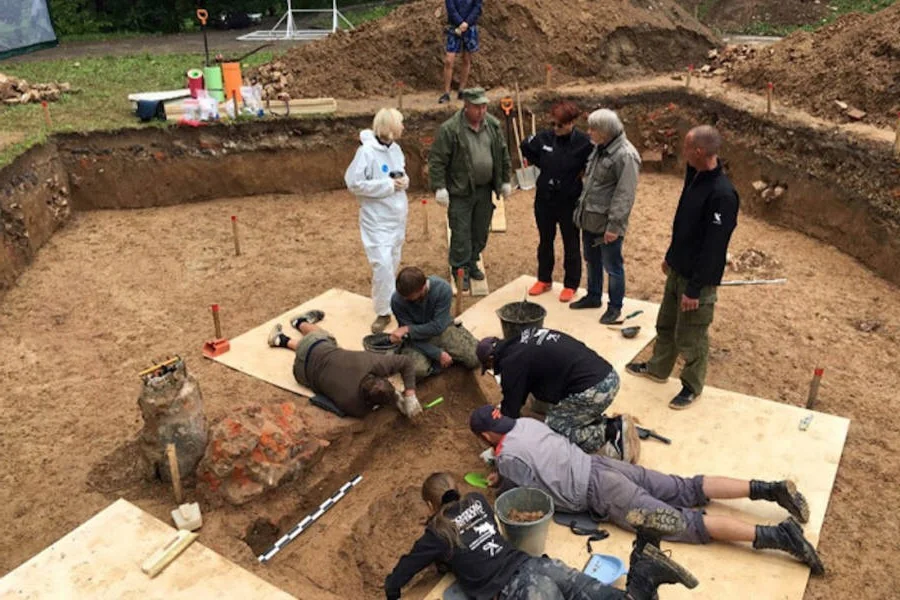
00Archaeological discoveries often provide a tangible link to the past, but few are as evocative as the recent find of a one-legged skeleton believed to be one of Napoleon Bonaparte’s most trusted generals. General Charles-Etienne Gudin, a hero of the French Empire, died during the 1812 invasion of Russia after being struck by a cannonball. For over two centuries, his final resting place remained a mystery until a team of French and Russian archaeologists uncovered a wooden casket in the city of Smolensk. The skeletal remains, missing the left leg as historical records described, have undergone extensive DNA testing to confirm their identity. This discovery offers a fascinating glimpse into the brutal reality of Napoleonic warfare and the personal sacrifices made by those at the highest levels of command. General Gudin was known for his strategic brilliance and was a close friend of Napoleon himself, who reportedly wept upon hearing of his death. The gallery documents the excavation process, the forensic analysis of the bones, and the historical artifacts found alongside the general. This find is not just about a single man; it sheds light on the entire era of the Grande Armée and the disastrous Russian campaign that eventually led to Napoleon's downfall. The collaboration between international experts in uncovering this piece of history serves as a powerful example of how science can solve centuries-old mysteries. The eventual return of Gudin's remains to France for a formal burial at Les Invalides marks a poignant closing chapter to a story that began on the battlefields of Europe over 200 years ago. For history buffs and archeology enthusiasts, this gallery provides a detailed look at the meticulous work required to bring such a significant figure back to the public consciousness, ensuring that the legacy of those who shaped our world is never forgotten.
#Napoleon, #Archaeology, #MilitaryHistory, #GeneralGudin, #HistoryDiscovery, #ForensicScience
Ads
0 comments
Related Posts
Ads