Ads
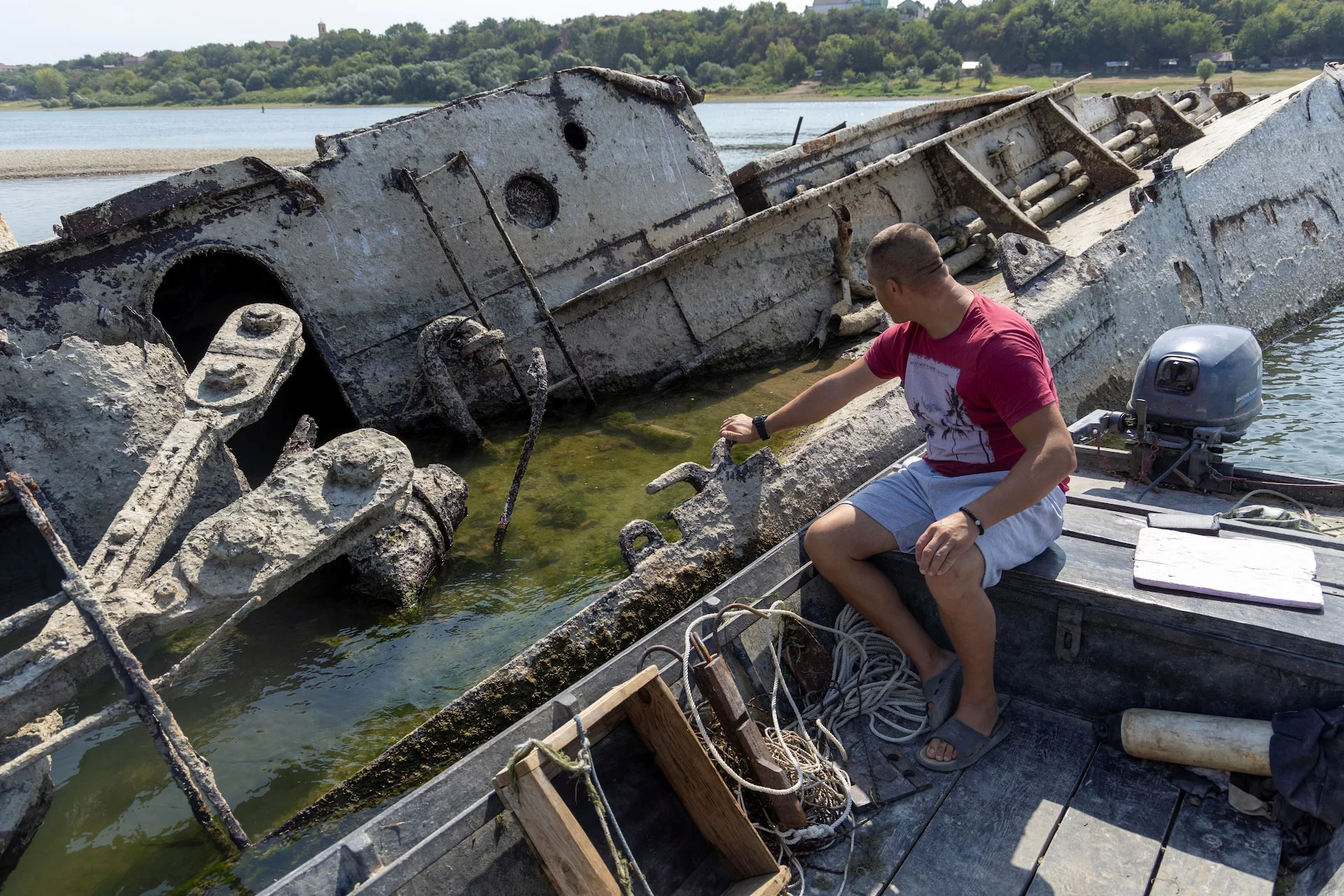
Close-up: WWII Nazi Fleet Exposed by Receding Danube Water Levels
khoảng 2 tháng trước
00The dramatic drop in the water level of the Danube River has unveiled a chilling sight: the remains of Nazi warships that have been submerged since 1944. These vessels, once part of a formidable naval force, were intentionally sunk by German troops as they fled the advancing Red Army toward the end of World War II. Today, their rusted structures rise from the mud, offering a visceral connection to the events of the mid-20th century. This gallery documents the intricate details of the wreckage, from the corroded decks to the visible artillery mounts. The emergence of these ships is a direct result of extreme weather conditions in Europe, which have caused the river to reach some of its lowest levels in a century. Beyond their historical significance, the ships represent a modern-day logistical problem. The presence of unexploded explosives within the hulls makes any salvage or stabilization effort extremely risky. Local authorities have monitored the site closely, as the narrowing of the navigable channel by these wrecks impacts shipping and trade. For history buffs, these images provide a unique perspective on the scale of naval warfare during the era. The contrast between the peaceful river landscape and the jagged, metallic remains of war is striking. As climate patterns continue to fluctuate, the Danube may keep these relics exposed for longer periods, forcing a decision on their eventual fate. This post explores the intersection of environmental crisis and historical revelation, showcasing the enduring physical legacy of global conflict.
#WorldWarII, #NavalHistory, #DanubeDiscovery, #Archaeology, #HistoryUncovered, #MilitaryHistory
0 comments
Ads
Related Posts
Ads