Ads
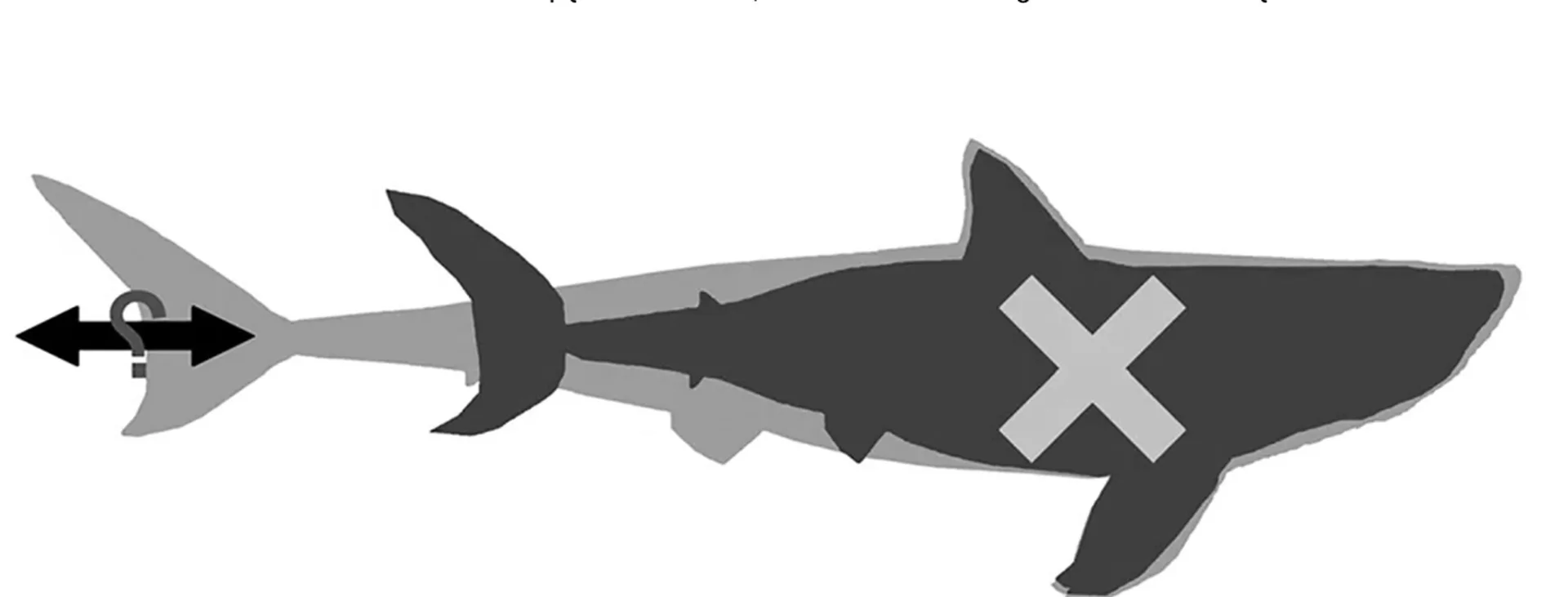
New Scientific Discovery: Megalodon Was Slimmer Than Previously Thought
khoảng 2 tháng trước
00Groundbreaking research led by biologist Phillip Sternes from the University of California has fundamentally changed our understanding of the prehistoric 'super-monster,' the Megalodon (Otodus megalodon). For years, popular culture and even some scientific circles depicted the Megalodon as a massive, bulkier version of the modern Great White Shark. However, after re-examining the fossil records, Sternes and his team have discovered that the Megalodon was actually much slimmer and potentially longer than previously imagined. This new anatomical model suggests a more elongated body, which would have significantly impacted how this apex predator moved and hunted in ancient oceans. The study indicates that while the Megalodon remained a formidable predator at the top of the marine food chain, its behavior might have been different. A slimmer body could mean a longer digestive system, which might have resulted in lower caloric needs compared to a bulkier animal. This discovery also adds a new layer to the mystery of the Megalodon's extinction. Phillip Sternes suggests that the rise of the Great White Shark could have been a decisive factor; being faster and perhaps more efficient hunters, they may have outcompeted the Megalodon for resources. Despite being 'immortalized' in Hollywood films like 'The Meg,' the real Megalodon went extinct approximately 3.6 million years ago. Because sharks have cartilaginous skeletons, fossils are rare, usually limited to teeth and vertebrae, which is why scientific consensus on their size has been so difficult to reach. This latest study provides a more nuanced view of one of the most terrifying creatures to ever inhabit the sea, proving that even millions of years later, the Megalodon still has secrets to reveal.
#Megalodon, #Paleontology, #MarineBiology, #PrehistoricCreatures, #SharkResearch, #ScientificDiscovery
0 comments
Ads
Related Posts
Ads