Ads
Skoda’s Strategic Exit from China: The Impact of Domestic EV Competition
khoảng 7 giờ trước
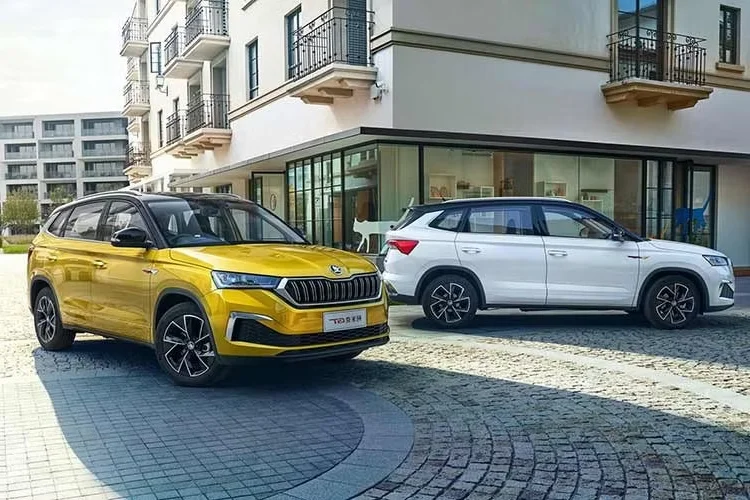
00The global automotive landscape is shifting, and nowhere is this more evident than in China, where European legacy brands are facing unprecedented pressure. Skoda, the Czech automaker under the Volkswagen Group, has recently signaled its withdrawal from the Chinese market, a move driven by the explosive growth of domestic electric vehicle (EV) manufacturers. For years, China was a cornerstone of Skoda’s global sales strategy, but the rise of local giants like BYD, Nio, and XPeng has fundamentally changed the game. These Chinese brands offer high-tech, affordable EVs that resonate deeply with local consumers, making it increasingly difficult for foreign brands with traditional internal combustion engine (ICE) legacies to compete. Skoda's exit is a reflection of a broader trend where international carmakers must reassess their presence in markets that are rapidly transitioning to electric power. The competition in China is not just about the powertrain; it’s about the integration of software, autonomous driving features, and aggressive pricing strategies that domestic brands have mastered. For Skoda, this pivot allows the brand to refocus its resources on emerging markets like India and Southeast Asia, where the demand for their specific blend of European engineering and value remains high. This gallery examines the factors that led to this historic decision, the challenges of competing in the world’s largest car market, and what the future holds for Skoda as it navigates the global EV transition. It also provides a look at the specific models that once defined Skoda’s presence in China and the sleek new Chinese EVs that are now taking their place. The story of Skoda in China is a crucial case study for the entire automotive industry in the age of electrification.
#Skoda, #ChinaAutomotive, #EVCompetition, #AutoIndustry, #GlobalBusiness, #ElectricVehicles
Ads
0 comments
Related Posts
Ads