Ads
Discover Earth Ugliest Animals and Their Amazing Adaptations
khoảng 1 giờ trước
00Our planet is home to millions of diverse species, each beautifully adapted to its specific environment. However, not all of these creatures fit our human standards of cuteness. In fact, some of the world's most unusual animals are often labeled as the 'ugliest creatures on Earth.' From the gelatinous blobfish to the bizarre-looking aye-aye and the star-nosed mole, these animals often shock and haunt viewers with their strange appearances. But behind their unconventional looks lies a fascinating story of evolutionary adaptation and survival in extreme environments.
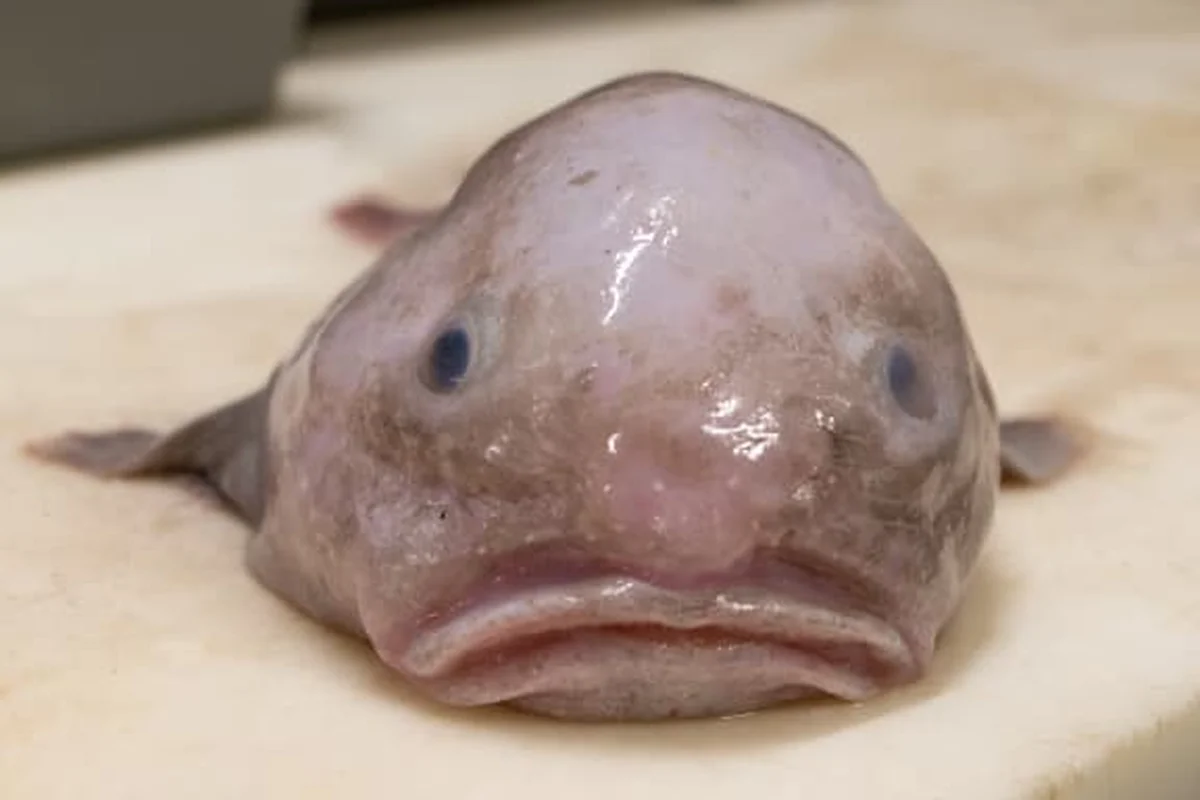
Take the blobfish, for example, which was famously voted the world's ugliest animal. In its natural deep-sea habitat, under immense water pressure, the blobfish actually looks like a normal, functional fish. It is only when it is brought to the surface that its gelatinous body collapses into the famous 'sad, melted' face we see in photos. Similarly, the strange, elongated finger of the aye-aye or the fleshy tentacles on the nose of the star-nosed mole are highly specialized tools used for finding food in pitch-black darkness. These physical traits, though jarring to us, are perfect examples of nature's efficiency.
Learning about these unique creatures helps us appreciate the incredible diversity of life on Earth. Evolutionary biology teaches us that nature does not care about aesthetics; it cares about survival. Every wrinkle, tentacle, and strange proportion serves a vital purpose in helping these animals navigate their ecological niches. By looking past their shocking appearance, we can discover the amazing science that makes these 'ugly' animals some of the most resilient and fascinating survivors on our planet.
#WeirdNature, #AnimalAdaptations, #DeepSeaCreatures, #EvolutionaryBiology, #WildlifeDiscovery, #ScienceFacts
0 comments
Ads
Related Posts
Ads