Ads
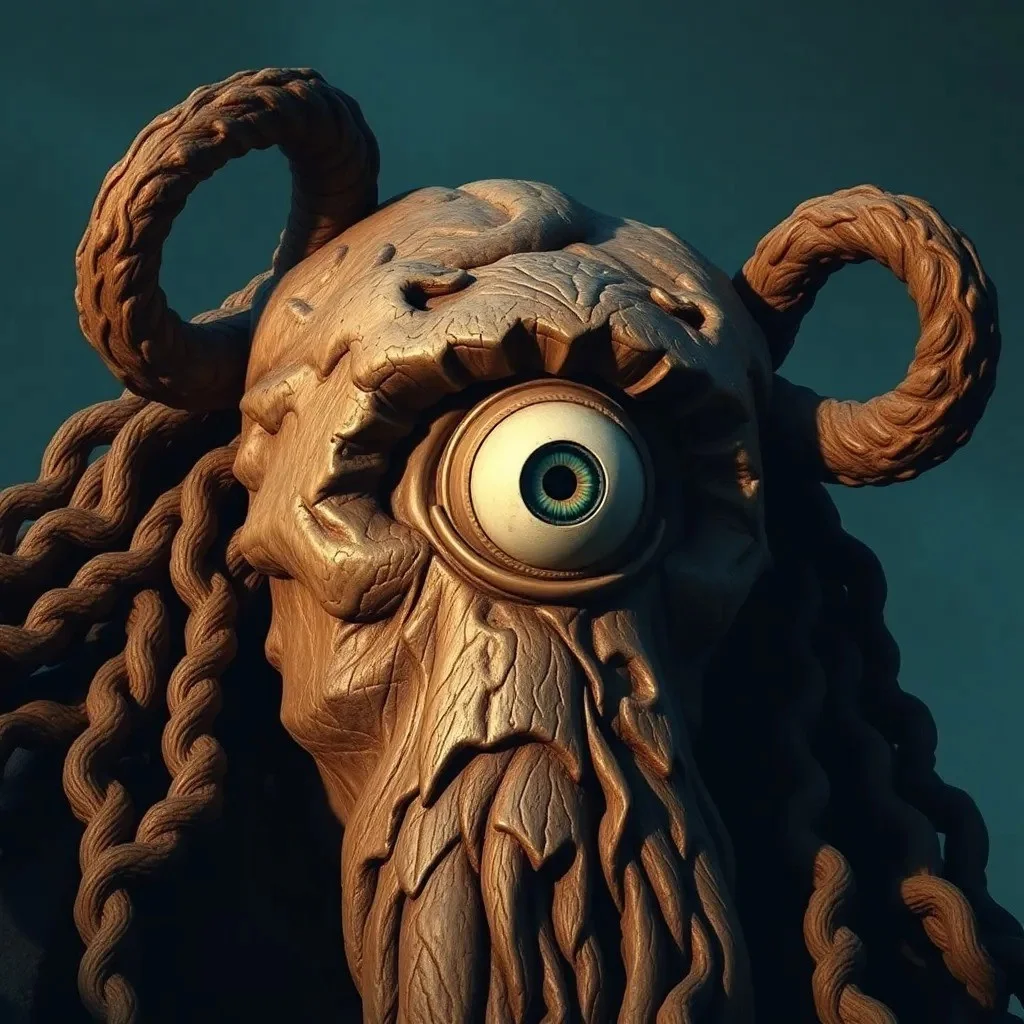
Scientific Secrets Behind the Rare Discovery of One-Eyed Cyclops Creatures
18 ngày trước
00For centuries, the myth of the one-eyed Cyclops was confined to the pages of ancient Greek mythology and fantasy literature. However, modern scientific discoveries have revealed a fascinating and somewhat startling truth: one-eyed creatures do actually exist in nature. Through rigorous genetic research and rare marine biology findings, experts have uncovered the biological secrets behind this bizarre phenomenon, shedding light on how these unique creatures develop and what their existence teaches us about the evolution of life on Earth.
In the scientific community, the development of a single, central eye is known as cyclopia—a rare congenital disorder that can affect various animal species, including sharks, goats, kittens, and even humans. Cyclopia occurs during the early embryonic stage when the forebrain fails to properly divide the orbits of the eye into two distinct cavities. One of the most famous real-world examples of this condition occurred when researchers discovered a perfectly formed, one-eyed dusky shark fetus in the Gulf of California. This striking creature, with its single large eye situated in the center of its snout, became a viral sensation and a subject of intense scientific study, proving that nature's anomalies can be just as wondrous as any myth.
While animals born with cyclopia rarely survive long after birth due to associated brain and respiratory complications, studying these rare specimens provides invaluable insights for geneticists and developmental biologists. It allows scientists to map the precise genetic pathways responsible for facial and brain development, helping to prevent similar developmental errors in both veterinary and human medicine. This captivating blend of mythology and hard science reminds us that the natural world still holds deep mysteries waiting to be decoded by curious minds.
#Cyclopia, #OneEyedCreature, #ScientificDiscovery, #MarineBiology, #GeneticMutations, #NatureMysteries
Ads
0 comments
Related Posts
Ads