Ads
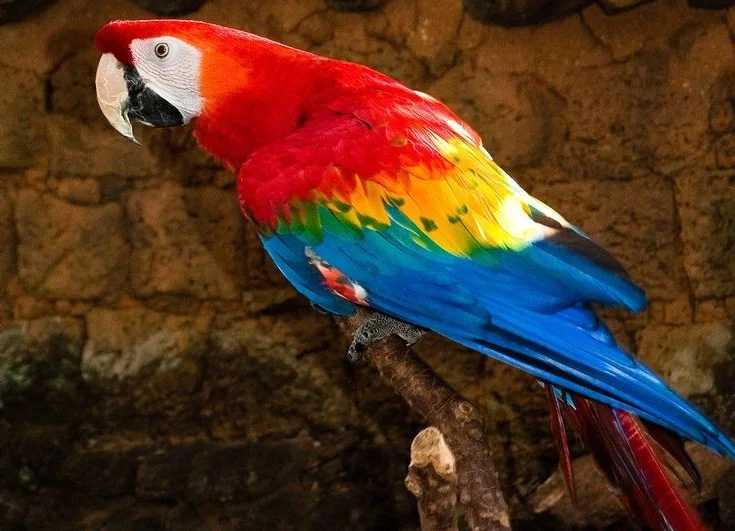
Fascinating Nature: Why Beautiful Wild Birds Eat Clay to Survive
2 tháng trước
00In the dense rainforests of South America and various tropical regions around the world, observers can witness one of nature's most spectacular and puzzling sights: flocks of brightly colored macaws, parrots, and other bird species gathering along riverbanks to eat raw clay. This behavior, known scientifically as geophagy, is not a random habit but a crucial survival strategy that has fascinated biologists and wildlife enthusiasts for decades.
The primary reason these beautiful birds consume clay lies in their daily diet. In the wild, many birds feed on a variety of seeds, unripe fruits, and plants. To protect themselves from being eaten, many of these plants produce toxic chemical compounds and bitter alkaloids. When birds consume these seeds, the toxins build up in their digestive systems, which can be harmful or even fatal. The clay found at specific riverbanks, known as clay licks or 'colpas,' contains fine mineral particles that bind to these toxins in the bird's stomach, neutralizing them and allowing them to pass safely through the digestive tract.
In addition to detoxification, clay licks serve as an essential source of dietary minerals, particularly sodium. Sodium is a vital nutrient that is often scarce in a vegetarian forest diet but is abundant in the clay. These riverbanks also act as vibrant social hubs where different bird species gather, communicate, and interact, creating a breathtaking display of colors and sounds that highlights the complex and beautiful adaptations of wildlife in their natural habitats.
#AvianScience, #GeophagyInBirds, #WildlifeFacts, #MacawClayLick, #BirdBehavior, #NatureDocumentary
0 comments
Ads
Related Posts
Ads