Ads
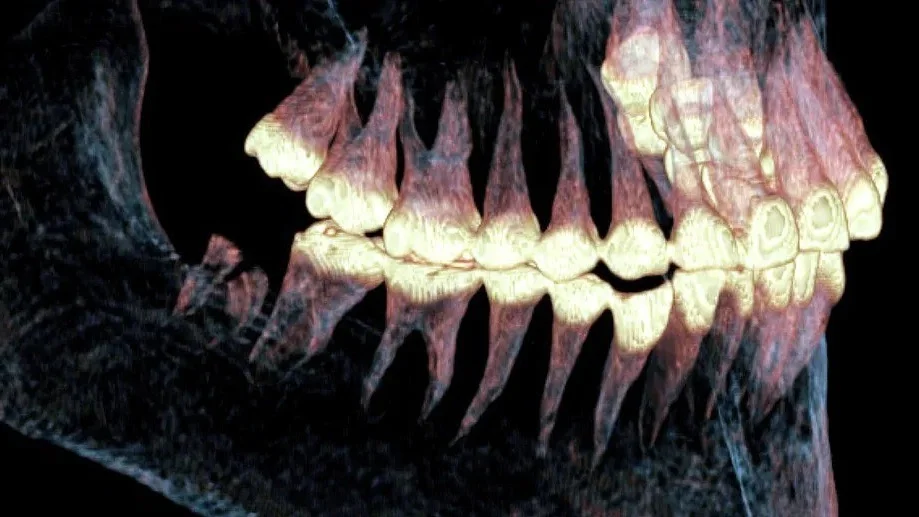
CT Scan Reveals Secrets of 2,500-Year-Old Scythian Woman Remains
khoảng 3 giờ trước
00The world of archaeology has once again been rocked by the intersection of ancient history and modern technology. Researchers recently conducted a comprehensive CT scan on the 2,500-year-old remains of a Scythian woman, providing an unprecedented look into the life, health, and burial customs of these legendary nomadic warriors. The Scythians were a group of ancient Iranian nomadic peoples who dominated the Pontic-Caspian steppe from roughly the 7th century BC to the 3rd century BC. Known for their prowess in horseback riding and archery, much of their history was written by outside observers like Herodotus. However, the physical evidence left behind in 'kurgans' (burial mounds) offers the most direct link to their reality.
By utilizing advanced computed tomography (CT) scanning, scientists were able to peer beneath the surface without damaging the delicate remains. This non-invasive technique revealed surprising details about the woman's skeletal structure and the items she was buried with. Initial findings suggest she may have held a significant status within her tribe, as evidenced by the jewelry and ceremonial objects found in her proximity. Furthermore, the scan allowed paleopathologists to examine her bone density and joint health, offering clues about her diet and the physical demands of her lifestyle. Such discoveries are vital for understanding the social hierarchy of Scythian society, where women often played prominent roles, sometimes even as warriors.
This specific study highlights how technology can bridge the gap between millennia. The high-resolution images generated by the CT scan provide a 3D reconstruction of the remains, allowing researchers to study dental health, potential injuries, and even signs of chronic illness that would be invisible to the naked eye. As we continue to refine these scientific methods, the stories of the ancient world become clearer, moving beyond myths and legends into the realm of tangible human experience. The Scythian woman’s remains serve as a silent witness to a culture that once commanded the vast Eurasian steppes, and now, through the lens of 21st-century science, her story is finally being told in vivid detail.
#AncientHistory, #ArchaeologyNews, #ScythianCulture, #CTScan, #Bioarchaeology, #AncientSecrets
Ads
0 comments
Related Posts
Ads